


Reverse shoulder replacement is a surgical procedure typically recommended for individuals suffering from severe shoulder pain and limited mobility, particularly those with irreparable rotator cuff tears, cuff tear arthropathy, or complex shoulder fractures.
For anyone considering or preparing for this surgery, understanding what to expect throughout the journey is paramount. In this post, we’ll demystify the process, providing insights into the surgical procedure, the immediate post-operative period, and the various stages of recovery.
Key Takeaways
- Reverse shoulder replacement is a specialized surgery that reverses the natural ball-and-socket joint to allow the deltoid muscle to compensate for a damaged rotator cuff.
- Recovery is a multi-stage process often involving immediate post-operative care, structured physical therapy, and long-term commitment to exercises and lifestyle adjustments.
- Full recovery can take several months to a year, requiring patience, consistent effort, and realistic expectations.
- With proper rehabilitation, for many patients, this procedure may reduce pain, improve shoulder function, and enhance the overall quality of life.
Understanding Reverse Shoulder Replacement
Reverse shoulder replacement is a specialized surgical procedure designed to address severe shoulder conditions that cannot be effectively treated with conventional total shoulder replacement. The primary indications include irreparable rotator cuff tears, cuff tear arthropathy (a combination of a large rotator cuff tear and arthritis), and complex shoulder fractures.
The shoulder is a ball-and-socket joint, where the head of the humerus (upper arm bone) acts as the ‘ball’ and the glenoid (a shallow socket on the shoulder blade) acts as the ‘socket’. This joint is stabilized and moved by a group of tendons called the rotator cuff, along with the large deltoid muscle. In a healthy shoulder, the rotator cuff muscles are important for lifting and rotating the arm.

In conditions like massive, irreparable rotator cuff tears, these tendons may be severely damaged, rendering them unable to function properly. This can lead to significant pain, weakness, and an inability to lift the arm. Over time, the lack of a functioning rotator cuff can also lead to a condition called cuff tear arthropathy, where the humeral head migrates upwards, rubbing against the acromion (part of the shoulder blade) and causing arthritis. Traditional shoulder replacement surgery typically relies on a healthy rotator cuff to function.
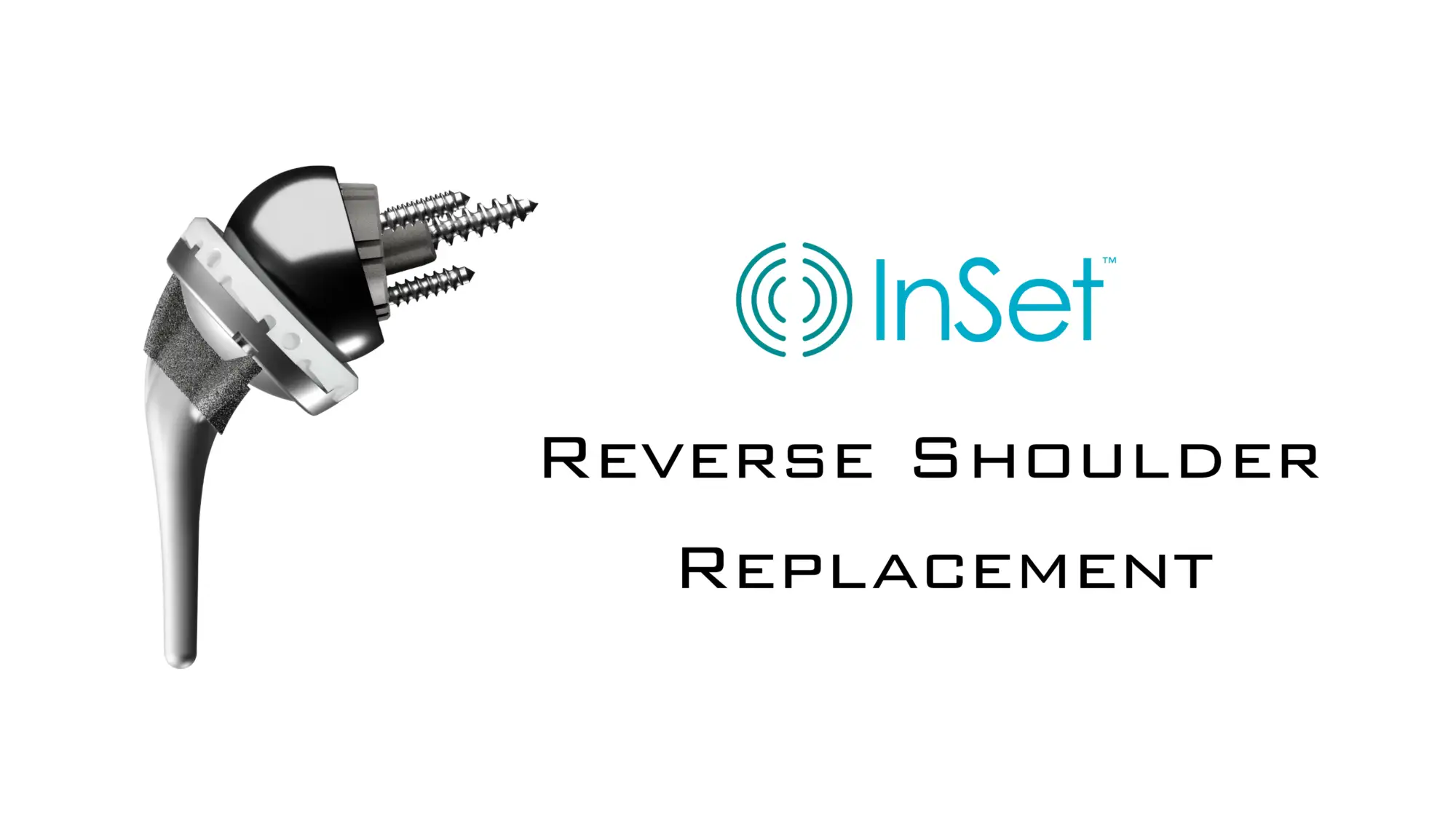
Instead of replicating the natural anatomy, reverse shoulder replacement switches the positions of the ball and socket. A metal ball is affixed to the glenoid, and a plastic socket is attached to the top of the humerus. By doing so, the deltoid muscle, which is frequently intact even in the presence of severe rotator cuff damage, can become the primary mover of the arm, compensating for a non-functional rotator cuff.
The Surgical Procedure: A Brief Overview
The reverse shoulder replacement surgery is typically performed by an experienced shoulder surgeon under general anesthesia, often combined with a regional nerve block to provide extended pain relief after the operation. The surgical approach involves an incision that allows the surgeon access to the shoulder joint. The duration of the surgery can vary but generally ranges from 1 to 3 hours, depending on the complexity of the individual case and the surgeon’s experience.
Once the shoulder joint is exposed, the surgeon carefully removes the damaged parts of the joint and prepares the sites for prosthetic insertion. After the prosthetic components are securely in place, the surgeon checks the stability of the new joint and the range of motion. The wound is then irrigated, and the layers of tissue are closed. A drain may be placed temporarily to collect any excess fluid, and the incision is closed with sutures or staples.
Finally, a sterile dressing is applied, and the arm is typically placed in a sling to protect the shoulder during the initial healing phase. The sling helps to immobilize the arm and prevent unwanted movements that could jeopardize the newly implanted joint. Patients are usually monitored in a recovery room following the procedure.
Immediate Post-Operative Period: The First Few Days
The immediate post-operative period following reverse shoulder replacement is focused on pain management, wound care, and protecting the newly implanted joint. Some patients are discharged the same day, while others may stay in the hospital overnight.
Pain Management: Pain is a natural part of any surgical recovery, but effective management is important for comfort and to facilitate early movement. This may include intravenous (IV) pain medications, oral pain relievers, and anti-inflammatory drugs. If a regional nerve block was administered before surgery, its effects can provide pain relief for about a day, gradually wearing off.
Wound Care: The surgical incision will be covered with a sterile dressing. Patients will receive instructions on how to care for their incision, including when and how to change dressings, and when it is safe to shower.
Sling Immobilization: To protect the healing tissues and the new joint, the arm will typically be immobilized in a sling. The duration of sling use can vary depending on the individual patient.
Early Mobilization and Physical Therapy: While the arm is immobilized, gentle passive range of motion exercises may begin, often within the first few days after surgery. These exercises may be performed by a physical therapist, moving the arm without any effort from the patient. The purpose of these early exercises is to prevent stiffness, maintain joint mobility, and promote circulation.
Early Recovery
During the early recovery phase, the primary goal is to allow the soft tissues around the new joint to heal while preventing stiffness.
Continued Pain Management: Patients may still experience discomfort, especially during physical therapy or at night. Over-the-counter pain relievers like nonsteroidal anti-inflammatory drugs may be recommended to help manage pain. Applying ice packs to the shoulder for 15-20 minutes several times a day may also help reduce pain.
Physical Therapy Progression: Initially, the physical therapy focus remains on passive range of motion exercises, where the therapist or a pulley system moves the arm without the patient actively engaging their muscles. As healing progresses, the therapist may gradually introduce gentle active-assisted range of motion exercises, where the patient uses their non-operated arm or a device to assist the operated arm through movements. The exact progression will depend on the surgeon’s protocol and the individual patient’s healing.
Sleeping Position: Finding a comfortable sleeping position can be challenging. Many patients find it easiest to sleep in a semi-reclined position, such as in a recliner chair or propped up with pillows in bed. Your surgeon or physical therapist can offer specific recommendations for comfortable and safe sleeping positions.
Consistent engagement with physical therapy and protection of the shoulder will pave the way for more active rehabilitation in the subsequent phases.
Intermediate Recovery
As patients transition into the intermediate recovery phase, the focus generally shifts from passive motion to regaining active range of motion, strengthening the deltoid muscle, and gradually returning to more functional activities.
Progression of Physical Therapy: During this phase, physical therapy may become more active and challenging. The physical therapist will typically guide the patient through active range of motion exercises, where the patient actively moves their arm without assistance. These exercises are helpful for strengthening the deltoid muscle, which is now responsible for much of the shoulder’s movement. Exercises will target forward elevation, external rotation, and internal rotation, always within the limits of pain and the surgeon’s protocol.
Gradual Return to Activities: As strength and range of motion improve, patients may be cleared to gradually resume more daily activities. However, activities that involve heavy lifting, repetitive overhead movements, or impact should still be avoided or performed with extreme care. The physical therapist will provide guidance on safe ways to perform tasks such as reaching, carrying light objects, and engaging in light household chores.
Driving and Work: Many patients can resume driving once they are no longer taking certain pain medications, have sufficient range of motion and strength to safely operate a vehicle, and are no longer wearing a sling. Listen to your surgeon’s instructions, as the timeline can vary. Return to work depends heavily on the nature of the job. Individuals with sedentary jobs may return sooner, while those with physically demanding jobs may require several more months of recovery and rehabilitation.
By the end of the intermediate recovery phase, many patients experience a reduction in pain and a noticeable improvement in shoulder function, allowing them to perform most activities of daily living with greater ease.
Long-Term Recovery and Beyond
The period from six months post-surgery and beyond generally marks the long-term recovery phase, where patients continue to build strength and gradually return to a fuller range of activities.
Advanced Strengthening and Functional Training: Physical therapy during this phase may focus on advanced strengthening exercises, targeting not only the deltoid but also the surrounding scapular stabilizers and core muscles. The goal is to maximize strength, endurance, and coordination, allowing the patient to perform more demanding tasks with confidence. Functional training will also be emphasized, integrating shoulder movements into complex activities that mimic daily life, work, or recreational pursuits.
Return to Sports and Recreational Activities: For many patients, a primary goal of reverse shoulder replacement is to return to beloved sports and recreational activities. While high-impact or overhead contact sports may still be restricted, many individuals can safely return to activities such as golf, tennis (with modifications), swimming, hiking, and cycling. The surgeon and physical therapist will provide individualized guidance based on the patient’s progress.
Maintenance Program and Lifestyle Adjustments: Even after formal physical therapy concludes, it is often recommended for patients to adhere to a home exercise program. This maintenance program helps preserve range of motion, maintain strength, and prevent stiffness. Patients should also be mindful of their body mechanics and avoid activities that place excessive stress on the shoulder, such as heavy lifting beyond recommended limits or repetitive overhead motions without proper technique.
Follow-Up Care: Regular follow-up appointments with the orthopedic surgeon are important to monitor the long-term health of the shoulder and the implant. These appointments may involve clinical examinations and X-rays to assess the position and stability of the prosthetic components and to check for any signs of wear or complications.
Long-Term Outcomes and Expectations: The majority of patients who undergo reverse shoulder replacement experience pain relief and a substantial improvement in shoulder function. Most patients can perform activities of daily living with ease and return to many recreational pursuits. However, individual results can vary based on factors such as age, overall health, adherence to rehabilitation, and the initial condition of the shoulder.
This long-term phase is about embracing the new capabilities of the shoulder while respecting its limitations. With continued effort and proper care, most reverse shoulder replacement patients can enjoy the benefits of their procedure for many years to come.
Summary
The journey to reverse shoulder replacement recovery is a marathon, not a sprint, requiring patience, dedication, and a collaborative effort between the patient, surgeon, and physical therapist. From the immediate post-operative period focused on pain management and protection, through the structured phases of rehabilitation aimed at restoring motion and strength, to the long-term maintenance of a healthy and active lifestyle, each stage of recovery is important for achieving the best possible outcome. By understanding what to expect, adhering to the prescribed protocols, and actively participating in their rehabilitation, patients may navigate the recovery process with higher confidence.
Frequently Asked Questions
How much pain should I expect after surgery?
Pain is expected after surgery, but it is typically managed with a combination of medications. The most intense pain usually subsides within the first few days to a week. Your medical team will work with you to keep your pain at a manageable level to facilitate early rehabilitation.
How long do I need to wear a sling?
While timelines may vary, the sling is usually worn continuously for about 4 to 6 weeks, including during sleep, to protect the healing shoulder. Your surgeon will provide specific instructions on when you can reduce sling use.
Can I drive after reverse shoulder replacement?
You can typically resume driving once you are no longer taking certain pain medications, have sufficient range of motion and strength to safely operate a vehicle, and are no longer wearing a sling. This usually occurs around 6-8 weeks post-surgery, but it can vary. Your surgeon can provide specific instructions and clearance for when it is safe to resume driving.
What activities should I avoid after surgery?
In the early stages, patients should typically avoid active lifting, pushing, pulling, or reaching behind the back with the operated arm. High-impact activities, heavy lifting, and repetitive overhead motions are generally restricted for several months. Your surgeon and physical therapist will provide specific guidelines based on your recovery progress.
Can I return to sports after reverse shoulder replacement?
Many patients can return to light, non-contact sports and recreational activities such as golf, tennis (with modifications), swimming, hiking, and cycling, as approved by their surgeon and physical therapist. High-impact or overhead contact sports may still be restricted.
