


Many people experience shoulder discomfort after a night’s sleep, including those who prefer sleeping on their side. Shoulder problems from sleeping on side can range from mild morning stiffness to persistent pain that interferes with daily activities. Understanding the relationship between sleep position and shoulder health can help with identifying potential issues and seeking appropriate care when necessary.
Key Takeaways
- Side sleeping places continuous pressure on the shoulder joint, which may aggravate existing shoulder conditions or contribute to shoulder discomfort over time.
- Common issues associated with side sleeping include rotator cuff irritation, bursitis, and impingement syndrome.
- Conservative treatments such as position changes, supportive pillows, and physical therapy may provide relief. Consider seeking evaluation for persistent or worsening shoulder pain.
Understanding the Connection Between Sleep Position and Shoulder Pain
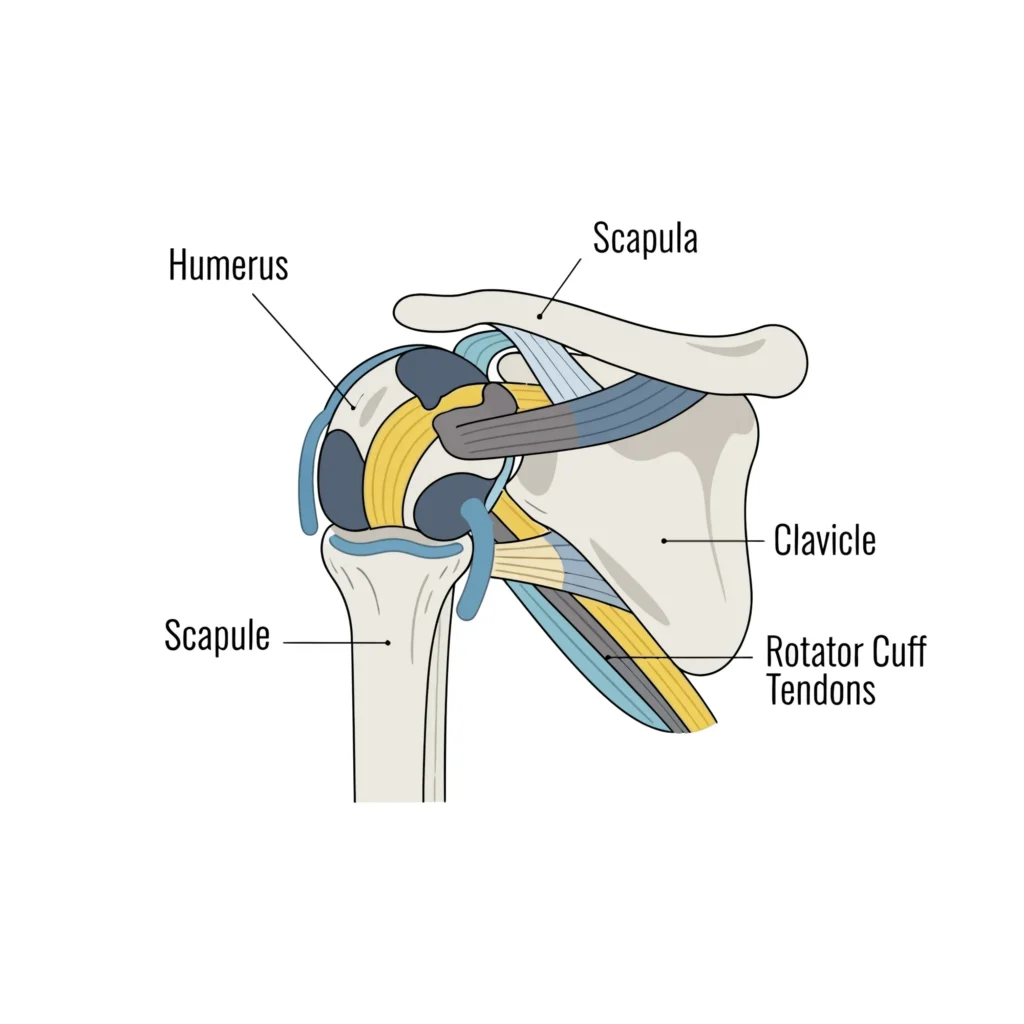
Your shoulder is a remarkably complex joint. The glenohumeral joint, where the upper arm bone meets the shoulder blade, relies on a delicate balance of muscles, tendons, ligaments, and cartilage to function properly. When you sleep on your side, your body weight compresses this structure for an extended period of time.
This sustained pressure can affect the rotator cuff tendons, which pass through a narrow space beneath the acromion bone. The bursa, a fluid-filled sac that cushions the shoulder joint, may also become irritated from prolonged compression. Over time, these nightly periods of compression may contribute to inflammation and increased sensitivity of the surrounding soft tissues.
The position of your arm while sleeping matters as well. Many side sleepers tuck their arm under their pillow or body, which can place the shoulder in an internally rotated position. This alignment may narrow the subacromial space and potentially increase stress on the rotator cuff and other soft tissues. Side sleeping is generally more likely to aggravate underlying shoulder conditions rather than cause them in isolation.
Common Shoulder Conditions Related to Side Sleeping
Several specific shoulder problems may develop or worsen in people who consistently sleep on their side. Recognizing these conditions can help you understand your symptoms and seek appropriate treatment.
Rotator Cuff Tendinopathy
The rotator cuff consists of four muscles and their tendons that stabilize the shoulder joint. Repetitive compression from side sleeping may aggravate symptoms in individuals with rotator cuff tendinopathy, a condition characterized by tendon degeneration. Patients with this condition often report pain when lifting the arm overhead, reaching behind the back, or lying on the affected shoulder. The discomfort typically develops gradually rather than from a single injury.
Shoulder Impingement Syndrome
Shoulder impingement refers to a pattern of pain and dysfunction often related to reduced subacromial space, tendon irritation, and altered shoulder mechanics. Side sleeping can exacerbate this condition by maintaining the shoulder in a position that reduces the space available for these tendons. Morning pain and stiffness are common complaints. You might notice that your symptoms improve as you move throughout the day, only to return after the next night’s sleep.
Subacromial Bursitis
The subacromial bursa sits between the rotator cuff and the acromion bone, providing cushioning and reducing friction. Prolonged pressure from side sleeping may irritate this structure, leading to bursitis. This condition typically causes pain on the outside of the shoulder, particularly when reaching across the body or lying on the affected side. The pain may feel sharp or achy depending on the severity of inflammation.
Adhesive Capsulitis
Also known as frozen shoulder, adhesive capsulitis involves stiffness and pain in the shoulder joint. While the exact cause remains unclear, adhesive capsulitis is most commonly associated with prolonged shoulder immobilization, systemic medical conditions, or prior injury. Frozen shoulder progresses through distinct stages, beginning with pain and gradually leading to significant loss of motion. Side sleeping can become increasingly uncomfortable as the condition advances.
Osteoarthritis Aggravation
Patients with existing shoulder arthritis may find that side sleeping intensifies their symptoms. The cartilage degradation characteristic of osteoarthritis makes the joint more sensitive to pressure and compression.
Recognizing the Symptoms
Morning pain that improves with movement throughout the day suggests a sleep-related component to your discomfort. You might wake up with a dull ache in your shoulder that gradually diminishes as you go about your daily activities. Some people describe a sensation of stiffness or the feeling that their shoulder needs to “warm up” before functioning normally.
Difficulty finding a comfortable sleeping position is another sign. You may find yourself frequently changing positions throughout the night or waking up due to shoulder discomfort. The affected shoulder might feel tender to the touch.
Weakness when lifting or reaching can accompany pain, especially if the rotator cuff is involved. Simple tasks like putting on a jacket, reaching into an overhead cabinet, or washing your hair might become challenging. This weakness may feel more pronounced in the morning and improve as the day progresses.
Risk Factors and Contributing Elements
Certain factors may increase your likelihood of developing shoulder problems from side sleeping. Age plays a role, as rotator cuff degeneration becomes more common after 40. The blood supply to these tendons decreases over time, which may impair their ability to recover from nightly compression.
Your mattress and pillow quality can also impact shoulder health. A mattress that’s too firm doesn’t allow your shoulder to sink in properly, increasing pressure on the joint. Conversely, a mattress that’s too soft may not provide adequate support, allowing your body to sink excessively and placing the shoulder in awkward positions.
Previous shoulder injuries or surgeries may make your shoulder more susceptible to sleep-related problems. Scar tissue, altered biomechanics, or residual weakness can all contribute to increased sensitivity to compression and positioning during sleep.
Conservative Treatment Approaches
Many individuals with shoulder problems from sleeping on their side respond well to conservative management strategies. These approaches focus on reducing pressure, improving shoulder mechanics, and promoting healing.
Modifying Your Sleep Position
The most direct intervention involves changing how you sleep. If you prefer side sleeping, try alternating which side you sleep on to distribute pressure more evenly between shoulders. Some individuals may benefit from transitioning to back sleeping, which eliminates direct compression on the shoulder joint.
Using a supportive pillow between your arms while side sleeping can help maintain proper shoulder alignment. This pillow should be thick enough to keep your top arm from falling forward across your body, which can increase stress on the lower shoulder. A specialized shoulder relief pillow with a cutout for your shoulder may also help reduce pressure.
Physical Therapy and Exercises
A structured physical therapy program may be recommended to address muscle imbalances, improve flexibility, and strengthen the rotator cuff and scapular stabilizers when appropriate. Your physical therapist may teach you exercises to perform before bed that prepare your shoulder for the stresses of sleep. Gentle stretching upon waking can help reduce morning stiffness and improve mobility.
Strengthening exercises typically focus on the rotator cuff muscles, particularly the external rotators, which often become weak relative to the internal rotators. Scapular stabilization exercises can also help improve overall shoulder mechanics and reduce strain during both waking and sleeping hours.
Anti-Inflammatory Strategies
Non-steroidal anti-inflammatory medications may provide temporary relief from pain and inflammation. Ice application before bed or upon waking can help reduce swelling and discomfort. Some patients find benefit from heat therapy, which increases blood flow and relaxes tense muscles around the shoulder. Always follow your doctor’s guidance.
Ergonomic Adjustments
Your sleep environment matters. Ensure your mattress provides appropriate support for your body type and sleeping position. Over time, mattresses may lose significant support and need to be replaced. Your pillow height should maintain neutral neck alignment to prevent compensatory shoulder positioning.
When to Seek Professional Evaluation
While some cases of shoulder discomfort from side sleeping improve with at-home treatments, certain symptoms may warrant professional evaluation. Consider seeing an experienced shoulder specialist if facing persistent pain lasting more than a few weeks despite self-care measures.
Additionally, progressive weakness, particularly if you notice increasing difficulty with overhead activities or daily tasks, may indicate a worsening problem. Night pain that disrupts your sleep or pain that radiates down your arm could require professional assessment.
Diagnostic Evaluation
When you visit a shoulder specialist, the evaluation typically begins with a detailed history and physical examination. Your doctor will ask about your sleep habits, the nature and location of your pain, and any factors that worsen or improve your symptoms.
The physical examination assesses your shoulder’s range of motion, strength, and areas of tenderness. Specific tests can help identify rotator cuff problems, impingement, or instability. Your doctor may observe how you move your shoulder.
Imaging studies may be ordered to provide valuable information. X-rays can reveal bone spurs, arthritis, or calcifications that might contribute to your symptoms. MRI scans offer detailed views of the soft tissues, including the rotator cuff, labrum, and bursa, helping identify tears, inflammation, or other abnormalities.
The Importance of Individualized Care
Every patient’s situation is unique. What works well for one person may not be effective for another. Factors including your age, activity level, medical history, and specific shoulder condition all influence the optimal treatment approach.
A shoulder specialist can provide personalized recommendations based on a thorough evaluation of your individual circumstances. This expertise becomes particularly valuable when conservative measures haven’t provided adequate relief or when you’re uncertain about the best course of action.
Summary
Shoulder problems from sleeping on side affect many people and can interfere with quality of life. The sustained pressure and positioning associated with side sleeping may contribute to various conditions including rotator cuff tendinopathy, impingement syndrome, and bursitis. While morning pain and stiffness are common complaints, symptoms can progress to include weakness and loss of motion if left unaddressed.
Initial treatments including sleep position modification, supportive pillows, physical therapy, and anti-inflammatory measures may provide relief. However, persistent or worsening symptoms may warrant evaluation by a qualified shoulder specialist. Through proper diagnosis and treatment, many patients can successfully manage their symptoms and return to comfortable, restorative sleep.
Frequently Asked Questions
How long does it take for shoulder pain from side sleeping to improve?
The timeline for improvement varies depending on the specific condition and severity of symptoms. Many people notice some relief within a few weeks of implementing sleep position changes and other conservative measures. However, other conditions may require several months of treatment.
Can I continue side sleeping if my shoulder hurts?
This depends on the severity of your symptoms and your ability to modify your position. Some people can continue side sleeping by alternating sides, using supportive pillows, or making mattress adjustments. Others may need to temporarily switch to back sleeping while their shoulder heals. A shoulder specialist can provide guidance based on your specific condition.
Can changing my mattress really make a difference?
Yes, your mattress can significantly affect shoulder comfort during side sleeping. A mattress should provide enough give to allow your shoulder to sink in slightly, reducing pressure on the joint, while still supporting your spine alignment. Over time, mattresses can lose support, which may affect comfort and shoulder positioning during sleep.
