


Medically reviewed by Michael V. Cushing, MD | Reviewed August 2026
Shoulder replacement vs. rotator cuff repair isn’t a decision based on which procedure is more or less extensive. When I evaluate a patient with shoulder pain, I’m looking for specific findings on the physical exam and imaging that tell me what’s causing the pain and loss of function. In some cases, the rotator cuff is the primary problem. In others, advanced arthritis has damaged the joint beyond the point where repairing the tendon alone will restore function. In this post, I’ll walk through how I make that decision, what I look for during an evaluation, and why two patients with similar symptoms may need very different treatments.
Key Takeaways
- Rotator cuff repair fixes torn tendons. Shoulder replacement addresses damaged joint surfaces. The two problems can feel similar from the outside but need different imaging to tell apart.
- Age plays a role, but it isn’t the deciding one. I’ve repaired cuffs in patients in their 70s and recommended replacement for patients in their 50s.
- When arthritis and a large, irreparable cuff tear occur together, a reverse total shoulder replacement often becomes the more predictable option.
What I See in My Patients
Most of the patients who come to me confused about this distinction fall into two groups. The first group has been told they have a rotator cuff tear and assumes surgery automatically means a joint replacement. It doesn’t. A torn tendon and a worn-out joint surface are different problems, and plenty of cuff tears get repaired without touching the ball-and-socket joint itself at all.
The second group is the opposite. They’ve lived with grinding, aching arthritis pain for years and assume a cortisone shot will fix it, when the imaging shows bone-on-bone changes that a repair simply can’t reverse. I’d rather have that conversation early, with the actual MRI in front of us, than let someone spend another year on treatments that were never going to solve the underlying problem.
There’s a third pattern I notice too, and it’s less about anatomy than expectation. Patients sometimes walk in having already decided which surgery they want based on a friend’s experience or something they read online, and I understand the instinct. But two shoulders that look similar on the surface can have completely different tissue underneath, and I’d rather base a recommendation on your MRI than on your neighbor’s outcome.
Rotator Cuff Repair and Shoulder Replacement Aren’t the Same Surgery
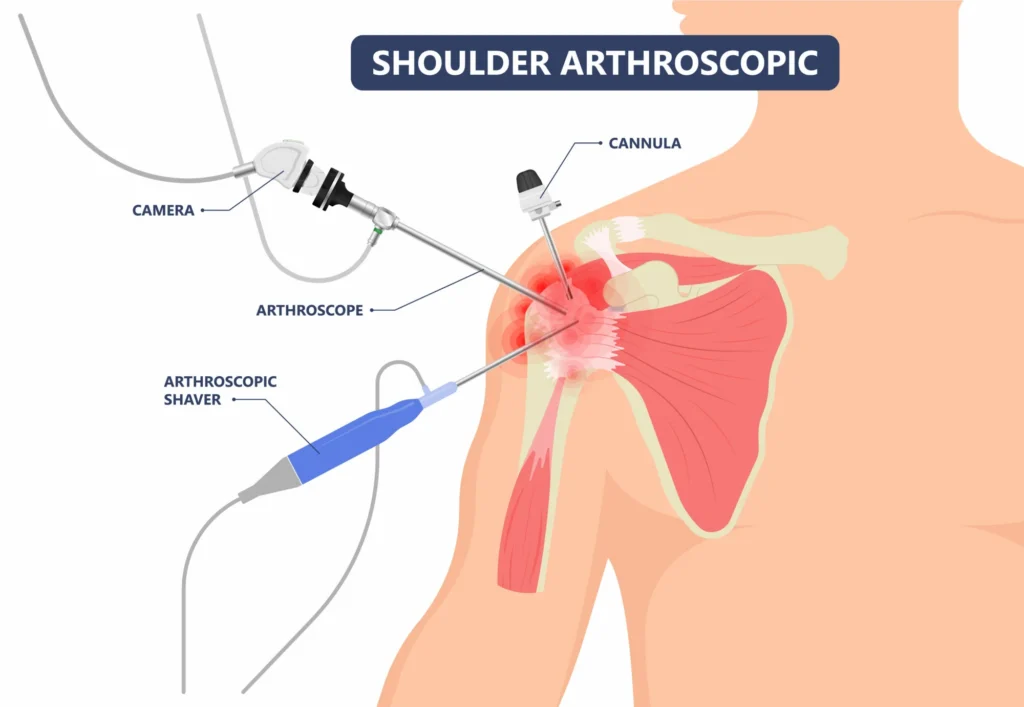
The rotator cuff is a group of four tendons that hold the ball of the shoulder in the socket and power much of your arm’s rotation and lift. When one or more of those tendons tears, the joint surfaces underneath are often still healthy. Rotator cuff repair is typically done arthroscopically, reattaching the torn tendon to the bone with suture anchors through a few small incisions.
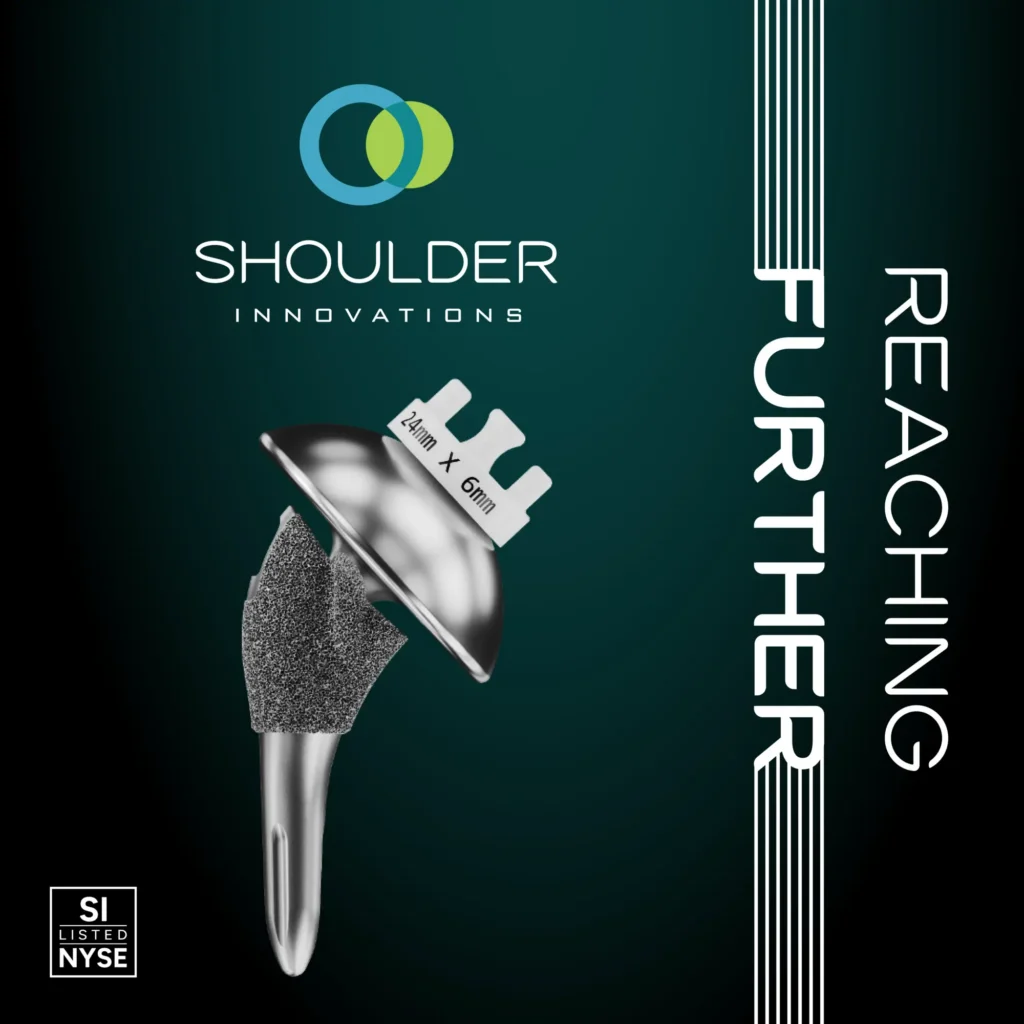
Shoulder replacement is a different operation entirely. Instead of repairing soft tissue, it replaces the worn cartilage and bone surfaces of the joint with prosthetic components. In a total shoulder replacement, both the ball and socket get resurfaced, and this version depends on a functioning rotator cuff to move the new joint correctly. In a reverse replacement, the ball and socket positions get switched, which lets the deltoid muscle do the work that a damaged rotator cuff no longer can.
How I Actually Weigh This Decision
When a patient comes to me with shoulder pain that hasn’t responded to conservative care, I’m looking at a few specific things on the MRI beyond just “is there a tear.” Tear size and location matter, along with how much the tendon has retracted and whether the muscle itself has started to atrophy or fill in with fatty tissue. A small, fresh tear in otherwise healthy muscle behaves very differently than a large tear that’s been retracted for years.
I also weigh whether there’s meaningful arthritis in the joint itself. A patient can have a repairable cuff tear and a perfectly healthy joint surface, which points toward repair alone. Or a patient can have advanced arthritis with an intact cuff, which points toward a total shoulder replacement. It’s the patients who have both, significant arthritis paired with a large, irreparable cuff tear, where I’m usually recommending a reverse replacement instead of attempting a repair I don’t believe will hold up.
I think age tends to get more weight in this conversation than it deserves. I care much more about tissue quality, tear pattern, and what a patient wants to keep doing with their arm than the number on their birth certificate.
When Replacement Becomes the Better Option
There’s a specific condition called cuff tear arthropathy, where a long-standing, irreparable rotator cuff tear eventually leads to arthritic changes in the joint itself. Attempting a standard repair in this situation tends to fail, since there isn’t enough healthy tendon left to hold. This is where a reverse total shoulder replacement tends to outperform a repair, because it doesn’t depend on the rotator cuff to function.
For patients who do need a total shoulder replacement, I use the InSet® Total Shoulder System, which is designed so the glenoid component seats directly into the patient’s own bone rather than sitting on top of it. This approach is designed to provide a more stable foundation for patients focused on long-term joint function.
Recovery Looks Different Too
Recovery is another place patients assume the two paths are similar, and they aren’t quite. After an arthroscopic rotator cuff repair, the shoulder typically goes into a sling first to protect the tendon while it heals into the bone, followed by a phased physical therapy program that moves from passive motion, to active motion, to strengthening. Full healing of the repaired tendon can continue for up to a year, even though most patients feel functional well before that.
Recovery after a total or reverse shoulder replacement follows a similar overall arc, sling time first, then a structured therapy progression, but the tissue that’s healing is different. Instead of waiting on a tendon repair to mature, the focus is on the bone growing into the implant and the surrounding muscles relearning how to move a rebuilt joint. Many of my replacement patients regain comfortable daily function well before the joint has fully matured.
Neither recovery is inherently “harder” than the other. They’re just different processes, and I try to set that expectation clearly before surgery rather than after, so patients aren’t comparing their timeline to a friend who had a completely different procedure.
Why This Decision Shouldn’t Be Rushed
Between my Newnan and Fayetteville offices, I get this exact question nearly every week, from weekend golfers convinced they just need a quick scope to retired patients who’ve been managing shoulder pain quietly for years. I understand the instinct to want the smaller, faster-sounding surgery. But choosing repair for a joint that actually needs replacement, or choosing replacement when a repair would have done the job, both lead to worse outcomes than taking the time to get the imaging and exam right the first time.
Summary
If there’s one thing I want you to take from this, it’s that the deciding factor is almost never age by itself. It’s whether your rotator cuff tendons are still repairable on imaging, and whether arthritis has already changed the joint surfaces underneath them. Cuff tears with healthy joints usually point toward repair. Arthritic joints with intact tendons usually point toward total shoulder replacement. Both problems together, especially a large irreparable tear with arthritis, usually point toward a reverse replacement.
If you’ve been told you might need shoulder surgery and aren’t sure which category you fall into, the next step is a focused exam and imaging review, not another round of guessing based on symptoms alone. Schedule an appointment online or call my office at (770) 502-2175.
Frequently Asked Questions
Can a rotator cuff tear eventually turn into something that needs a shoulder replacement?
Yes, this can happen. A large tear that goes unrepaired for years can lead to abnormal joint mechanics and, eventually, arthritic changes known as cuff tear arthropathy. This is one of the reasons I generally recommend evaluating a significant tear sooner rather than later, even if symptoms feel manageable for now.
Is rotator cuff repair less invasive than shoulder replacement?
In many cases, yes. Rotator cuff repair is typically performed arthroscopically through a few small incisions, while shoulder replacement involves removing and replacing joint surfaces through a larger incision. That said, “less invasive” doesn’t necessarily mean an easier recovery. Recovery length depends heavily on the specific tear or joint findings rather than the size of the incision alone.
How do you decide between a total and a reverse shoulder replacement?
This largely comes down to the condition of your rotator cuff. If the cuff tendons are intact and functioning well, a total shoulder replacement, which relies on those tendons, is typically the better fit. If the cuff is severely damaged or irreparable, a reverse replacement, which relies on the deltoid muscle instead, tends to provide more reliable, lasting function.
What imaging do I need before this decision can be made?
An MRI is usually the starting point, since it shows the rotator cuff tendons, the muscle quality behind them, and the cartilage lining the joint in detail an X-ray can’t provide. In some cases, particularly when planning a replacement, a CT scan may also be used to map the shape and bone quality of the glenoid socket.
