


Patients often live with shoulder pain for years, caused by conditions like severe arthritis or complex rotator cuff tears. Once the decision for surgery is made, a new set of questions naturally arises, including how long does pain last after shoulder replacement surgery? While every patient’s experience is unique, we can provide a general roadmap of what you can typically expect regarding pain management and the timeline for your recovery journey.
Key Takeaways
- The most intense, acute surgical pain typically lasts for the first few days after the procedure. Modern pain management techniques, including nerve blocks, aim to make this period manageable.
- Most patients transition to managing pain with over-the-counter or milder prescription medication within a few weeks. Pain may be more noticeable during physical therapy or at night.
- Significant pain relief is often achieved within three to six months as the surgical site heals and rehabilitation progresses.
The Two Main Types of Shoulder Replacement
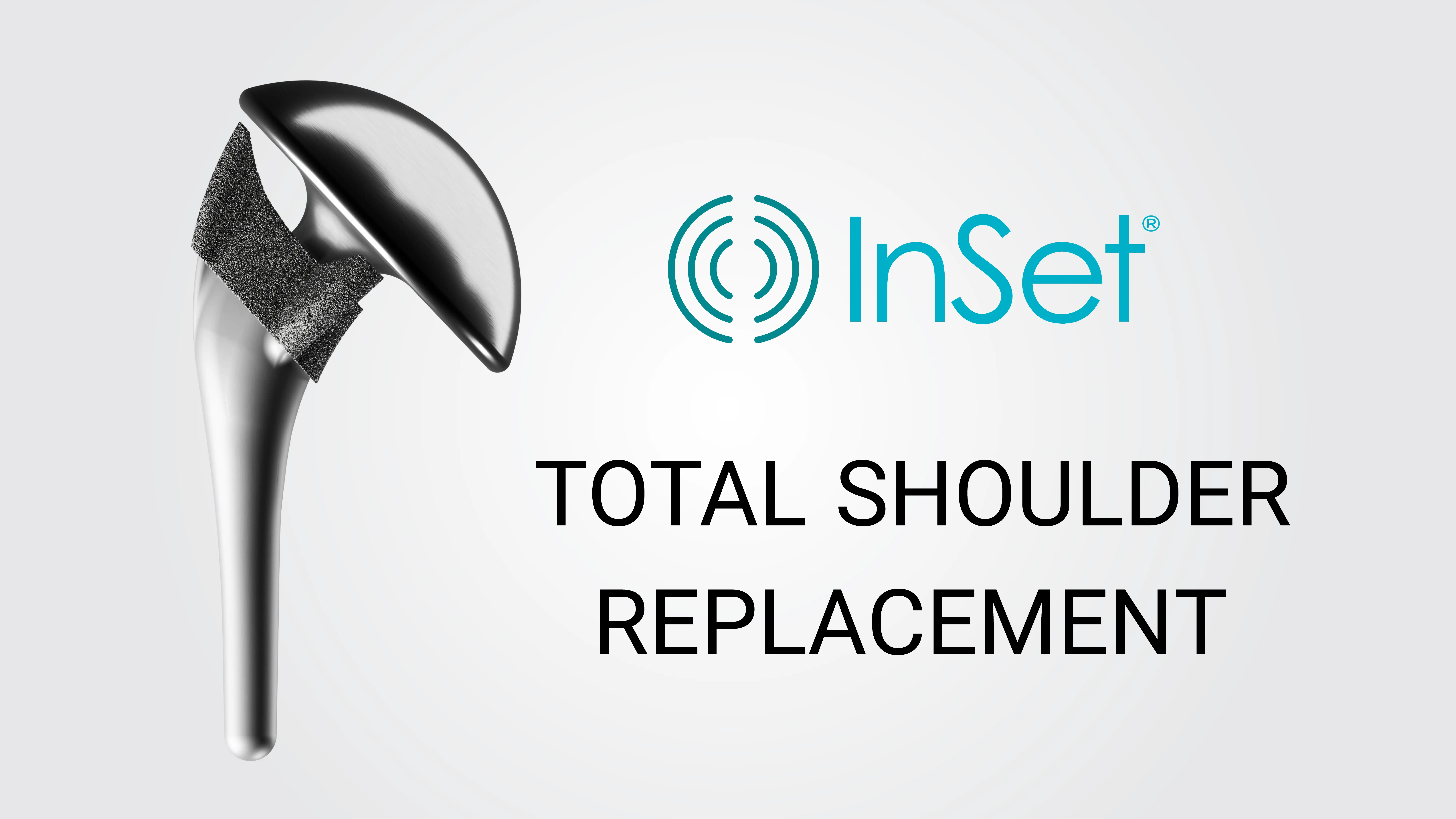
Total Shoulder Arthroplasty
A total shoulder arthroplasty, also known as an anatomic shoulder replacement, is a standard procedure for treating severe shoulder arthritis when the rotator cuff tendons are intact and functioning well. In this procedure, the surgeon replaces the ball (humeral head) with a metal ball and the socket (glenoid) with a plastic component. This mimics the shoulder’s natural anatomy.
The recovery from a total shoulder replacement often focuses on restoring the smooth gliding motion of the joint. Because the rotator cuff is preserved, the rehabilitation process relies on these tendons to regain strength and movement.
Reverse Total Shoulder Arthroplasty
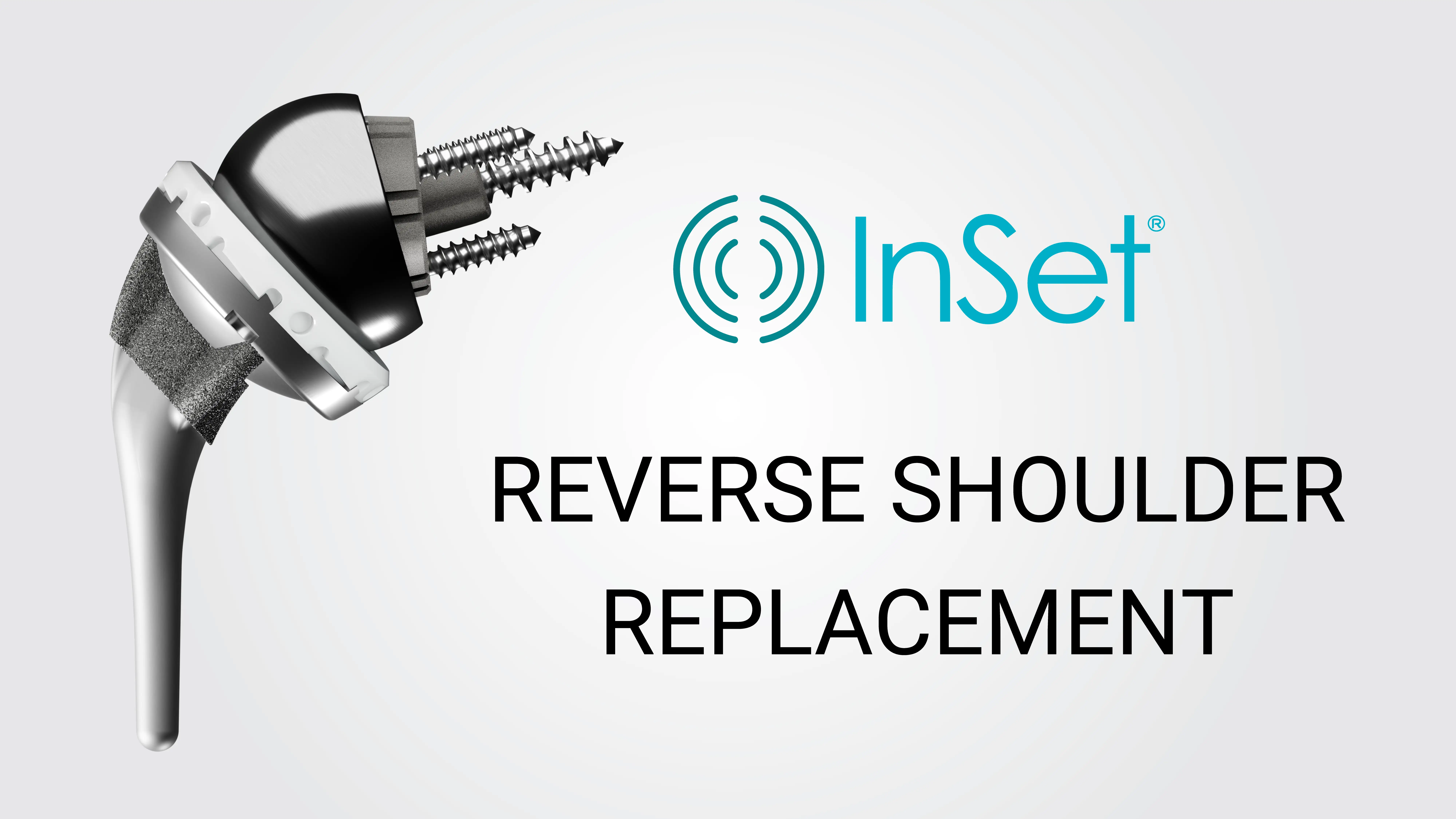
A reverse shoulder arthroplasty is a specialized procedure, often recommended for patients who have both severe arthritis and a non-repairable, massive rotator cuff tear, a condition known as cuff tear arthropathy. It may also be recommended for complex fractures or failed previous shoulder replacements. The design reverses the natural anatomy: the ball is placed on the socket side (glenoid), and the socket is placed on the arm bone (humerus).
This reversed configuration allows the large deltoid muscle, rather than the damaged rotator cuff, to power the arm’s movement. The recovery from a reverse shoulder replacement is often less about healing tendons and more about training the deltoid muscle to take over the function of the rotator cuff.
The Post-Operative Pain Timeline: A Phase-by-Phase Guide
While specific timelines may vary, pain and rehabilitation usually progress in general stages. An experienced orthopedic surgeon can provide personalized information on what to expect. Generally, each phase brings a different type of pain and requires a different approach to management.
Phase 1: The Immediate Post-Operative Period
This is typically the period of most intense, acute surgical pain, especially the first 24-72 hours. However, modern pain management protocols are highly effective at controlling this discomfort.
Initial Pain Control
Before you even leave the operating room, your care team will have taken steps to minimize your pain. Many surgeons utilize a regional nerve block, which numbs the entire shoulder and arm for 12 to 24 hours, sometimes longer. As the nerve block begins to wear off, you may transition to oral pain medication. A proactive approach helps to stay ahead of the pain, rather than chasing it.
The First Week at Home
Once you return home, you will continue with your prescribed pain regimen. The pain during this first week is typically described as a deep, throbbing ache. It is important to take your medication as directed, even if you feel relatively comfortable. Missing a dose can lead to a surge of pain that is difficult to bring back under control. You will likely be using ice packs frequently, which can be effective at reducing swelling and numbing the area.
Phase 2: The Subacute Phase (Weeks 2-4)
By the end of the second week, most patients report an improvement in their overall comfort level. You may now be dealing with a more manageable, subacute pain.
Over-the-Counter Medications
This is the period of time when most patients begin to transition away from strong opioid pain relievers. Discomfort may be primarily managed with over-the-counter medications like acetaminophen or prescribed NSAIDs, if your surgeon approves.
The pain you feel now is often associated with movement, particularly during your initial physical therapy sessions. It may also be more noticeable at night, which can interfere with sleep.
Physical Therapy Begins
Your physical therapy (PT) will start soon after surgery, often within the first week or two. While PT can be important for regaining motion, it may temporarily increase your discomfort. It is important to distinguish between the pain of surgical healing and the muscle soreness that comes from working the shoulder. Your therapist can guide you on what is normal and what is a sign to slow down.
Phase 3: Early Recovery and Rehabilitation (Months 1-3)
During this phase, the focus shifts from pain management to regaining function.
Intermittent Discomfort
You may still experience occasional aches, stiffness, or a dull pain, especially after a long day or after a particularly challenging PT session. This is normal and reflects the ongoing healing of soft tissues and the strengthening of muscles around the new joint. The pain is likely no longer constant. It is now a signal from your body, often indicating that you have overdone an activity or need to rest and apply ice.
Milestones and Progress
This phase is marked by milestones, such as being able to perform simple daily tasks with greater ease. As your range of motion improves, your confidence grows, and the focus on pain may start to diminish.
Phase 4: Functional Recovery and Long-Term Relief (Months 3-6)
Between three and six months, many patients report that their pain is minimal to non-existent. Any remaining discomfort is usually mild and easily managed with over-the-counter medication. You may be progressing to more aggressive strengthening exercises in physical therapy.
Return to Activity
Many patients are cleared to return to light recreational activities, such as golf or swimming, during this phase. The comfort and stability of the new joint allow for a return to a more active lifestyle, which is the ultimate measure of success for the surgery.
Phase 5: Maturation (Months 6+)
While the pain may have largely subsided by six months, the shoulder continues to mature and strengthen for up to a year or longer. The soft tissues surrounding the joint fully heal and remodel during this final phase. The new joint may now feel like a natural, comfortable part of your body.
Factors That Influence Your Pain Timeline
While the timeline above provides a general framework, several individual factors can influence how quickly you achieve lasting pain relief.
1. Type of Surgery
The type of replacement can subtly affect the initial recovery.
- Total Shoulder Replacement: Because the rotator cuff is intact, the initial healing may involve less muscle re-education. However, the early focus on passive range of motion can sometimes feel more intense.
- Reverse Shoulder Replacement: The reverse shoulder replacement relies on the deltoid muscle, which is a powerful muscle. While the initial recovery is often quite comfortable, the long-term pain relief is contingent on training the deltoid to power the arm.
2. Adherence to Physical Therapy
Physical therapy is frequently an important part of recovery. Skipping sessions or failing to perform your home exercises can lead to stiffness, which may prolong discomfort and limit your range of motion. Consistent, dedicated rehabilitation supports the soft tissues in healing correctly.
3. Pre-Operative Health and Fitness
Patients who enter surgery in better overall health, with good nutrition and without other major chronic conditions, may experience a smoother, less painful recovery. A healthy body may be better equipped to heal quickly.
4. Pain Tolerance and Management
Every person has a different threshold for pain. Additionally, every person responds differently to pain medication. We work closely with you to tailor a pain management plan that addresses your specific needs, ensuring you have the tools to keep your discomfort under control throughout the recovery process.
5. Management of Expectations
Patients who understand that some discomfort is an inevitable, temporary part of the healing process tend to manage their pain more effectively. Knowing that the pain can be a sign of healing, rather than a setback, can make a difference.
Summary
Patients regularly ask, “How long does pain last after shoulder replacement surgery?” The most intense discomfort following the procedure is often short-lived, lasting only a few days. Within a few weeks, you will be managing mild discomfort with over-the-counter medication. By around three to six months, patients frequently report significant pain relief. Timelines may vary between patients.
Frequently Asked Questions
When can I return to work?
This depends heavily on the nature of your job. If you have a sedentary, desk-based job, you may be able to return within two to three weeks, potentially with modifications like a hands-free headset. If your job involves heavy lifting, pushing, pulling, or repetitive arm movements, you may need to wait three to six months, or even longer, before returning to full duty.
Will I need physical therapy, and how long does it last?
Physical therapy is usually recommended following shoulder replacement surgery. The duration of therapy can vary, but most patients participate in a structured program for three to six months. The initial phase focuses on passive range of motion, while later phases concentrate on strengthening and functional activities. Even after formal therapy ends, you may continue a home exercise program.
What is the difference between the pain from arthritis and the pain after surgery?
The pain from shoulder arthritis is chronic, deep, and often described as a grinding ache that limits your motion and interferes with sleep. This pain is caused by bone rubbing on bone. The pain after surgery is acute, temporary, and a sign of healing. It is caused by the incision and the manipulation of tissues during the procedure. The surgical pain generally fades over weeks.
