


Shoulder pain is a common complaint, affecting a significant portion of the population at some point in their lives. This discomfort can range from a dull ache to a sharp sensation, limiting daily activities and impacting overall quality of life. Many individuals wonder, “What causes pain in shoulder joints?” The answer is not always straightforward, as the shoulder is a complex structure involving bones, muscles, tendons, and ligaments, all working together to provide an impressive range of motion. In this post, we’ll take a look at the various factors that may contribute to discomfort in the shoulder joint.
Key Takeaways
- Common causes include rotator cuff injuries, impingement, arthritis, bursitis, and frozen shoulder.
- Age, occupation, and athletic activities can increase the risk of developing shoulder pain.
- Early diagnosis and appropriate treatment are important for managing symptoms and preventing further complications.
- Conservative treatments, such as physical therapy and medication, may provide relief. Surgical options may be considered for severe or persistent conditions.
The Shoulder Joint: Anatomy
The shoulder is a ball-and-socket joint, offering the greatest range of motion of any joint in the body. This mobility comes at a cost, however, as its inherent instability makes it susceptible to injury and pain. The primary components include the humerus (upper arm bone), scapula (shoulder blade), and clavicle (collarbone). These bones form several joints, including the glenohumeral joint, which is the main ball-and-socket articulation. Surrounding these bones is a complex network of soft tissues.
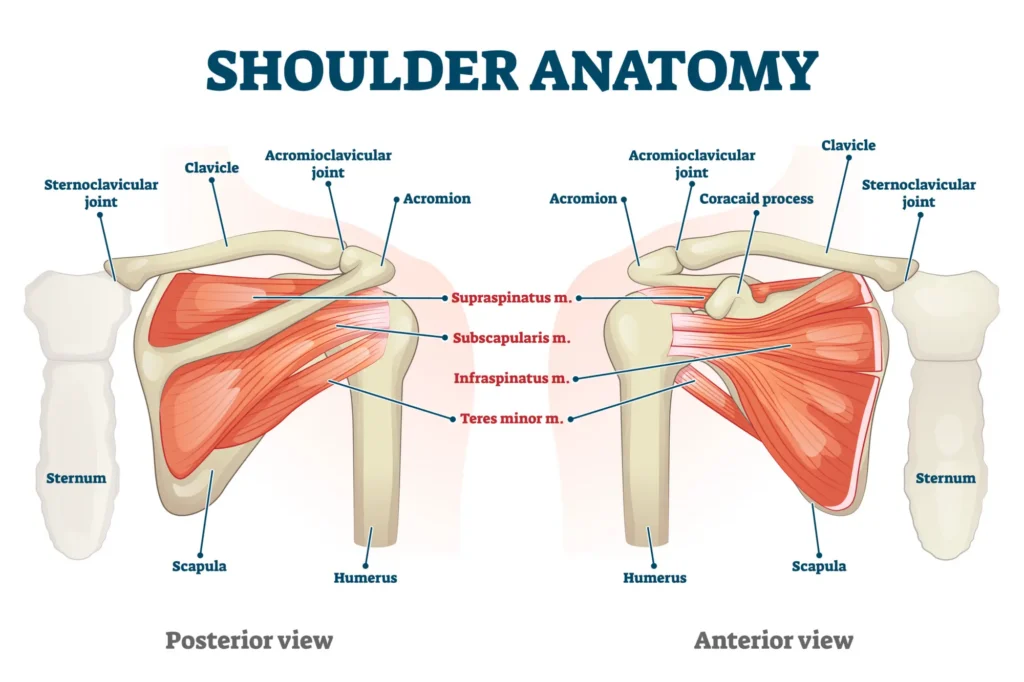
Muscles, tendons, and ligaments stabilize the joint and facilitate movement. The rotator cuff, a group of four muscles and their tendons, is particularly important to stability and movement. The bursa, a fluid-filled sac, cushions the joint and reduces friction. Cartilage covers the ends of the bones, allowing for smooth movement. Any disruption to these structures can contribute to what causes pain in the shoulder joints.
Common Culprits: What Causes Pain in Shoulder Joints?
Numerous conditions can lead to discomfort in the shoulder. Identifying the specific cause may require a thorough medical evaluation. However, in the following subsections, we’ll explore some of the most common conditions that cause pain in the shoulder joints.
Rotator Cuff Injuries
Rotator cuff injuries can range from inflammation (tendinitis) to partial or complete tears of the tendons. Repetitive overhead activities, such as those performed by athletes or certain manual laborers, often contribute to these problems. Acute injuries can also occur from falls or sudden impacts. You might experience pain when lifting your arm or reaching behind your back. Weakness and a dull ache, especially at night, are also common symptoms. The severity of the tear can influence treatment options, which may include rest, physical therapy, injections, or surgery.
Shoulder Impingement Syndrome
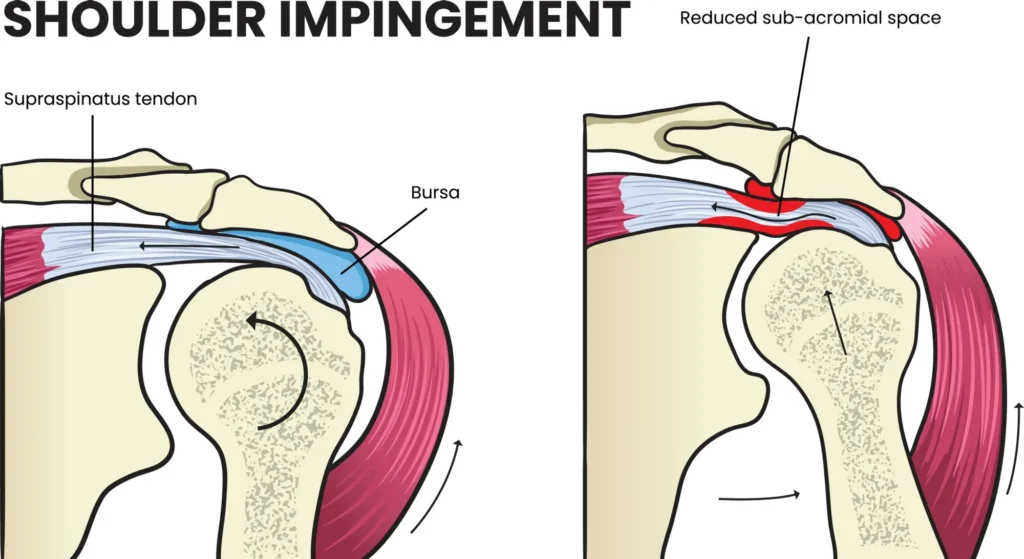
Impingement syndrome occurs when the rotator cuff tendons or the bursa become compressed. This compression happens as they pass through a narrow space beneath the acromion, a part of the shoulder blade. Activities involving repeated overhead arm movements can exacerbate this condition. Pain often intensifies when you raise your arm, and it might also feel worse at night. Inflammation and swelling can further narrow the space, creating a cycle of pain and irritation. Early intervention, frequently involving physical therapy and anti-inflammatory medications, can be effective.
Arthritis of the Shoulder
Osteoarthritis, the most common type of arthritis, involves the breakdown of cartilage. This wear and tear can lead to bone-on-bone friction, causing pain, stiffness, and reduced range of motion. Rheumatoid arthritis, an autoimmune condition, can also affect the shoulder, causing inflammation and joint damage. Post-traumatic arthritis may develop after a significant injury. The pain from arthritis often worsens with activity and may be accompanied by a grinding sensation. Managing arthritis in the shoulder typically involves pain relief, physical therapy, and sometimes joint replacement surgery in advanced cases.
Bursitis
Bursitis is the inflammation of a bursa. In the shoulder, the subacromial bursa is most commonly affected. This condition often results from repetitive motions or direct trauma. It can also occur alongside rotator cuff tendinitis. The inflamed bursa swells, causing pain when you move your arm or press on the outside of your shoulder. Rest, ice, and anti-inflammatory medications usually help alleviate symptoms. Physical therapy can also play a role in reducing inflammation and improving shoulder mechanics.
Frozen Shoulder (Adhesive Capsulitis)
Frozen shoulder is a condition characterized by stiffness and pain in the shoulder joint. The capsule surrounding the joint thickens and tightens, restricting movement. It can develop gradually, progressing through painful, frozen, and thawing stages. The exact cause is not always clear, but it can occur after an injury or surgery. Certain medical conditions, such as diabetes or thyroid disorders, might also increase your risk. Treatment focuses on pain management and restoring motion through physical therapy. In some cases, injections or manipulation under anesthesia may be necessary.
Tendinitis
Tendinitis refers to the inflammation of a tendon. In the shoulder, biceps tendinitis and rotator cuff tendinitis are common. Overuse, repetitive motions, or sudden injuries can cause these conditions. Pain typically worsens with movement and may be tender to the touch. Rest, ice, physical therapy, and anti-inflammatory medications are often the first line of treatment.
Instability and Dislocation
Shoulder instability refers to looseness of the joint that can lead to the ball partially (subluxation) or fully (dislocation) coming out of the socket, sometimes once, sometimes recurrently. These injuries often result from trauma, such as a fall or a direct blow. They can also be a chronic problem for individuals with loose ligaments. You might experience severe pain, a visible deformity, and an inability to move your arm. Treatment involves reducing the dislocation and then focusing on rehabilitation to strengthen the surrounding muscles and prevent future episodes. Surgery may be considered for recurrent instability.
Fractures
Fractures, or broken bones, in the shoulder can involve the humerus, scapula, or clavicle. These injuries typically result from trauma, such as a fall or a car accident. Severe pain, swelling, bruising, and an inability to move the arm are common symptoms. The type and location of the fracture will determine the appropriate treatment, which might include immobilization with a sling, pain medication, and potentially surgery to realign the bones. Recovery can take several weeks to months, often requiring physical therapy to regain strength and motion.
Labral Tears
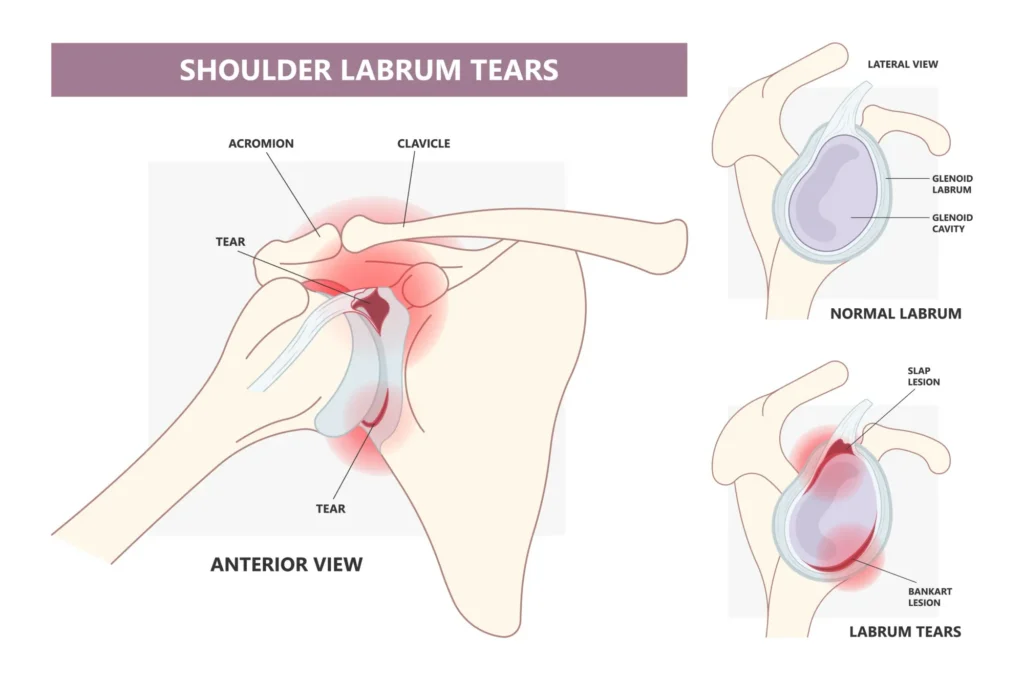
The labrum is a rim of cartilage that surrounds the shoulder socket, helping to deepen it and stabilize the joint. Tears in the labrum can occur from acute trauma, such as a fall or a direct blow, or from repetitive overhead activities. Symptoms may include pain, a catching or popping sensation, and a feeling of instability. Treatment can range from physical therapy to arthroscopic surgery to repair the torn labrum.
Other Less Common Causes
While the conditions listed above cover many instances of shoulder pain, other less common factors can also contribute. These might include nerve problems, infections, tumors, or systemic diseases. Although rare, these possibilities highlight the importance of a thorough medical evaluation for persistent or unexplained shoulder pain. A comprehensive assessment helps ensure an accurate diagnosis and appropriate treatment plan.
Risk Factors for Shoulder Pain
Several factors can increase an individual’s susceptibility to shoulder pain. Recognizing these can help in prevention and early intervention:
- Age: The risk of conditions like rotator cuff tears and arthritis generally increases with age, as tissues naturally degenerate over time.
- Occupation: Jobs requiring repetitive overhead movements or heavy lifting can strain the shoulder.
- Sports Participation: Athletes involved in throwing sports (baseball, javelin) or contact sports (football, rugby) frequently experience shoulder injuries, as these activities place stress on the joint.
- Poor Posture: Chronic poor posture may alter shoulder mechanics. This can lead to muscle imbalances and increased stress on the joint structures.
- Previous Injuries: A history of shoulder injuries can predispose individuals to future problems.
- Underlying Medical Conditions: Conditions such as diabetes and thyroid disorders are associated with some shoulder problems.
- Genetics: Some individuals may have a genetic predisposition to certain shoulder conditions.
Understanding these risk factors can empower individuals to take proactive steps. Modifying activities, improving ergonomics, and engaging in targeted exercises may help protect the shoulder. When pain does arise, knowing these factors can also guide discussions with your doctor.
When to Seek Medical Attention
While some minor shoulder aches might resolve with rest and home care, certain symptoms warrant professional medical evaluation. Knowing when to consult an experienced shoulder specialist can be important for getting proper treatment. It may be time to consider seeing a doctor if you experience:
- Severe pain, especially if it develops suddenly or after an injury.
- Inability to move your arm or significant weakness when trying to lift or rotate it.
- Deformity: A visible change in the shape of your shoulder.
- Numbness or tingling, extending down your arm or into your hand.
- Persistent pain that does not improve with rest or over-the-counter medications after a few days or weeks.
- Pain that disrupts sleep or interferes with daily activities.
- Clicking, popping, or grinding sounds, especially if accompanied by pain.
Summary
The shoulder is a complex joint, susceptible to a wide array of conditions, from rotator cuff injuries and impingement to arthritis and nerve-related issues. Each condition presents with its unique set of symptoms and requires a tailored approach to diagnosis and treatment. With proper diagnosis, a range of conservative and surgical treatments are available, with the goal of alleviating pain and restoring function.
Frequently Asked Questions
How long does it take for shoulder pain to go away?
The duration of shoulder pain varies greatly depending on the cause and severity. Minor strains might resolve in a few days with rest. Other conditions like rotator cuff tears or frozen shoulder could take months to a year, even with appropriate treatment and physical therapy. Your doctor can provide a more specific estimate upon diagnosis.
Is surgery always necessary for shoulder pain?
No, surgery is not always necessary. Many shoulder conditions respond well to conservative treatments such as rest, physical therapy, medication, and injections. Surgery is typically considered when conservative methods fail to provide relief or for severe injuries that require surgical repair.
How can I prevent shoulder pain?
While not all shoulder pain can be prevented, some strategies can help reduce your risk. Regular exercises to strengthen shoulder muscles, maintaining good posture, using proper lifting techniques, warming up before physical activity, and taking breaks during repetitive tasks may help.
