


The decision to undergo shoulder replacement surgery is a significant one. Patients often weigh the potential for pain relief and improved function against the recovery time and the inherent risks of any operation. One common question is, “How long does a shoulder replacement last?”
No surgeon can promise a specific lifespan for any medical implant. However, we can look to clinical research and patient outcomes to provide a clear picture of what you can reasonably expect from your new shoulder joint. The longevity of a shoulder replacement depends on a complex interplay of factors. These include the type of implant, your age and activity level, and the skill of your surgical team.
Key Takeaways
- Studies suggest that approximately 90% or more of modern shoulder replacements continue to function well for at least 10 years.
- Younger, more active patients tend to place greater stress on the implant, which can lead to a higher rate of revision surgery.
- The most common reason for a shoulder replacement to fail is the loosening of the plastic socket component (glenoid). If this happens, a revision surgery can often be performed successfully.
- Following your surgeon’s post-operative instructions is important. Full participation in physical therapy and avoiding high-impact activities are steps you may take to help maximize the lifespan of your implant.
Understanding the Two Main Types of Shoulder Replacement
There are two primary types of shoulder replacement surgery. Each one is designed for a different set of patient needs and anatomical conditions.
Anatomic Total Shoulder Arthroplasty
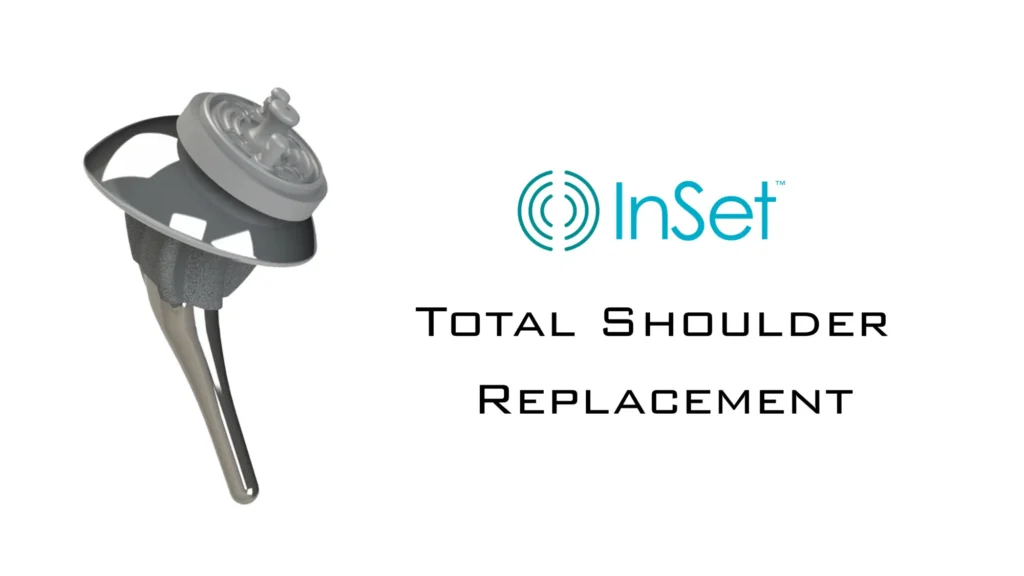
An anatomic total shoulder replacement is the traditional form of shoulder replacement. Surgeons may recommend this procedure when the patient has severe arthritis but possesses a healthy, intact rotator cuff tendon system. The rotator cuff provides the power and stability to move the arm.
In a total shoulder replacement, the surgeon replaces the ball (humeral head) with a metal ball. The socket (glenoid) is replaced with a smooth plastic component. This design mimics the natural anatomy of the shoulder joint. The success of this procedure relies heavily on the patient’s existing rotator cuff muscles to stabilize and move the new joint.
Reverse Total Shoulder Arthroplasty
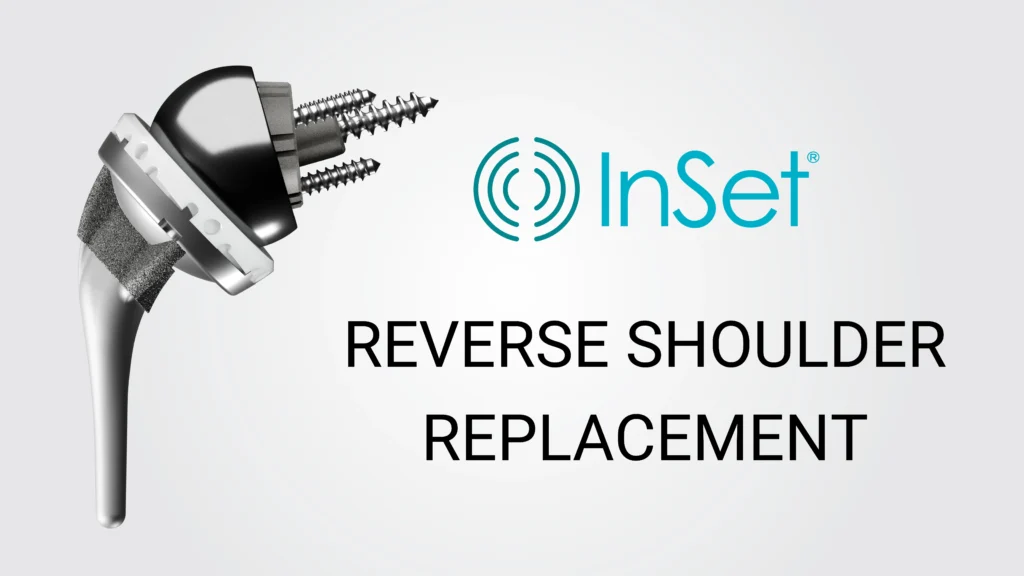
The reverse total shoulder replacement may be recommended for patients with severe arthritis combined with a non-functional or irreparable rotator cuff tear, known as rotator cuff tear arthropathy. It is also often used for complex shoulder fractures or for revision surgeries when a previous anatomic replacement has failed.
In the reverse shoulder replacement, the surgeon places the metal ball component onto the shoulder blade (glenoid). The plastic socket component is placed onto the upper arm bone (humerus). This innovative design shifts the center of rotation. This allows the deltoid muscle, the large muscle covering the shoulder, to compensate for the function of the damaged rotator cuff.
The Longevity of Anatomic Total Shoulder Arthroplasty
When patients ask, “How long does a shoulder replacement last?”, the data can feel reassuring. The total shoulder replacement procedure has been performed for decades. This provides a robust body of long-term data for analysis.
Clinical studies consistently show that the vast majority of anatomic shoulder replacements function well for many years. A comprehensive review of national registry data and long-term case series suggests that the estimated 10-year survival rate for total shoulder replacement is reported to be around 90%. This means that more than nine out of ten patients can expect their implant to still be in place and functioning effectively a decade after their initial surgery.
Why Do Anatomic Replacements Sometimes Fail?
The most common reason an anatomic shoulder replacement may require a second surgery, known as a revision, is the loosening of the glenoid component. The glenoid is the plastic socket component cemented or pressed into the shoulder blade. Over time, the forces exerted on the shoulder joint during daily activities can cause the bond between the plastic component and the bone to weaken. This loosening can lead to pain, instability, and a noticeable clunking sensation in the shoulder. The InSet® Shoulder System’s glenoid aims to provide longer survivorship, and early to mid results are promising.
The Longevity of Reverse Total Shoulder Arthroplasty
The reverse total shoulder replacement is a more recent innovation. Researchers have closely monitored its performance. While the longest follow-up studies are not as extensive as those for anatomic total shoulder replacement, the data we have is very encouraging. Studies tracking primary reverse procedures show a survival rate without the need for revision surgery of approximately 90% at 10 years.
Unique Considerations for Reverse Shoulder Replacement
The primary concern for reverse shoulder replacement longevity may be a phenomenon called “scapular notching.” This occurs when the plastic socket component on the humerus rubs against the bone of the shoulder blade (scapula) during arm movement and creates a notch.
While scapular notching is common, it does not always lead to clinical problems or necessitate revision surgery. Modern surgical techniques and implant designs, including placing the glenoid component lower on the scapula or using specialized components, are specifically intended to minimize this issue.
Factors Influencing the Lifespan of Your Shoulder Replacement
1. Patient-Specific Factors
Age and Activity Level: Younger, more active patients may experience faster wear due to higher loads on their shoulder. Patients who adhere to recommended activity restrictions, including avoiding heavy lifting, repetitive overhead work, and high-impact sports, may have implants that last longer.
Bone Quality: The implant needs a strong foundation. Patients with severe osteoporosis or poor bone quality may have a higher risk of implant loosening or fracture, which could shorten the implant’s lifespan.
Underlying Condition: The reason for the replacement matters. Replacements performed for severe osteoarthritis may have better long-term outcomes than those performed for complex fractures or failed previous surgeries (revision cases).
2. Surgical and Implant Factors
Surgical Technique: The precision of the surgeon is paramount. Correctly positioning the components, balancing the soft tissues, and ensuring proper fixation are steps that may directly influence the implant’s stability and longevity. Choosing an experienced shoulder surgeon who specializes in shoulder arthroplasty is a key choice that can impact your long-term results.
Implant Design and Materials: Continuous advancements in implant technology have contributed to improved durability and long-term outcomes in shoulder replacement surgery. Modern systems use highly durable materials for the humeral head and stem. Many newer designs are engineered to promote biologic fixation, allowing the patient’s bone to grow directly into the implant surface over time. This bone-ingrowth approach can enhance stability and reduce the risk of loosening.
Bone Preservation: Some contemporary implant systems also place a strong emphasis on bone preservation. For example, the InSet® Shoulder System is designed to conserve native bone by fitting within the existing socket rather than replacing large amounts of bone during the initial surgery.
3. Post-Operative Care and Rehabilitation
The recovery period is not just about healing; it is an active phase of protecting and integrating the new joint.
Adherence to Physical Therapy: A dedicated physical therapy program is essential for restoring range of motion and strength. Following the therapist’s instructions and completing the exercises as prescribed helps the surrounding muscles stabilize the joint, which reduces stress on the implant components.
Activity Modification: Patients must commit to a lifestyle that respects the limitations of an artificial joint. While a shoulder replacement aims to return you to many activities, avoiding activities that involve heavy, repetitive lifting or high-impact loading, such as contact sports or certain manual labor tasks, is necessary to prevent premature wear.
Summary
While no medical device is guaranteed to last forever, modern shoulder replacements are designed to be durable options for chronic shoulder pain and dysfunction. For the majority of patients, a shoulder replacement lasts for a decade or longer. With careful surgical planning, a commitment to post-operative rehabilitation, and a sensible approach to activity, you may help maximize the lifespan of your new joint.
Frequently Asked Questions
Is a reverse shoulder replacement less durable than a traditional total shoulder replacement?
Not necessarily. While the reverse total shoulder replacement is a newer procedure, its long-term data is strong. Studies show that reverse shoulder replacement survivorship rates at 10 years are comparable to those of anatomic total shoulder arthroplasty. The choice between the two typically depends on your specific anatomy and the condition of your rotator cuff.
Can I return to sports after a shoulder replacement?
Many patients can return to most sports. However, you should discuss your specific activities with your surgeon. Low-impact activities like swimming, golf, walking, and cycling are generally encouraged. High-impact or contact sports may be discouraged. These include football, heavy weightlifting, or activities that involve a high risk of falling.
How long does the recovery process take, and how does that affect the implant’s longevity?
The initial recovery, where you wear a sling and begin gentle motion, typically lasts about six weeks, though timelines may vary. Full recovery, including regaining strength and maximum function, can take six months to a year or longer. Adhering strictly to your physical therapy program during this time is essential.
