


If you’ve been living with shoulder pain for a while, you’ve probably already tried a few things to find relief. Maybe you’ve rested it, iced it, taken anti-inflammatory medication, or worked with a physical therapist. For many patients, those steps make a real difference. But for others, the pain keeps coming back, or never fully goes away at all. That’s often when the question of shoulder replacement vs non-surgical treatments starts to feel more urgent. When is it actually time to consider surgery? In my practice, I help patients work through this decision every day, and there’s rarely a one-size-fits-all answer. What I can tell you is that surgery is typically considered only after non-surgical treatments have been given a fair, thorough chance, and after a careful review of your individual situation.
Key Takeaways
- Non-surgical treatments like physical therapy, injections, and medication may be effective for many shoulder conditions, and they are usually the first line of care.
- Surgery may become the appropriate next step when conservative treatments have been tried consistently without meaningful improvement.
- The decision to move forward with shoulder replacement is highly individual. It depends on your diagnosis, your level of pain, your daily function, and your overall health.
- Working closely with a fellowship-trained shoulder surgeon can help ensure you receive a treatment plan tailored specifically to your needs.
What Non-Surgical Treatments Can Do for Your Shoulder
Before surgery ever enters the conversation, most patients work through a range of conservative options. These approaches can be effective, especially when the condition is caught early or when the structural damage isn’t yet severe. The goal of conservative treatment is to reduce pain, restore motion, and allow you to function as well as possible.
Physical Therapy
Physical therapy is one of the most valuable tools available for managing shoulder pain. A skilled therapist can help strengthen the muscles that support your joint, improve your range of motion, and teach you movement patterns that take strain off the damaged area. It isn’t always a quick fix, as results take consistency and effort. For some patients, it becomes the long-term cornerstone of their pain management strategy.
Anti-Inflammatory Medications
Over-the-counter medications like ibuprofen or naproxen may help reduce inflammation and manage pain in the short term. These medications don’t fix the underlying structural problem, but they can make day-to-day life considerably more manageable while other treatments are working. It’s worth discussing with your doctor how long you should use them.
Corticosteroid Injections
Cortisone shots are another common non-surgical option. These injections deliver a concentrated anti-inflammatory medication directly into the shoulder joint. Many patients experience notable, temporary relief after an injection. However, injections aren’t a permanent solution on their own.
Activity Modification
Sometimes, adjusting how you move and what activities you do can reduce pain considerably. Avoiding overhead lifting, modifying your workout routine, or changing certain work habits can take meaningful pressure off a damaged shoulder. For many patients, a thoughtful combination of activity modification and other conservative measures is enough to maintain a good quality of life without ever needing surgery.
When Non-Surgical Treatment May Not Be Enough
Here’s something I often tell patients: conservative treatment deserves a real, committed effort. But there may come a point where the evidence suggests that surgery may offer something that non-surgical options simply cannot. That point looks different for every person, which is why careful evaluation matters so much.
Some signs that conservative care may have reached its limits include:
- Persistent, severe pain that continues despite months of physical therapy, medication, and injections
- Significant loss of motion that interferes with basic daily activities like dressing, sleeping, or reaching overhead
- Structural damage that is unlikely to respond to conservative care alone
- A steady decline in shoulder function over time, even with consistent treatment efforts
- Chronic nighttime pain that disrupts your sleep on a regular basis
Imaging plays an important role in this part of the process. X-rays and MRI can provide key information. Sometimes, the structural damage I see on imaging helps explain why a patient hasn’t improved, even when they’ve done everything right on the conservative side.
What Is Shoulder Replacement Surgery?
When we talk about shoulder replacement vs non-surgical treatments, it helps to understand what shoulder replacement surgery actually involves. The surgery replaces damaged portions of the shoulder joint with artificial components. It’s most commonly recommended for patients with severe arthritis, significant joint deterioration, or certain complex fractures. There are two main types.
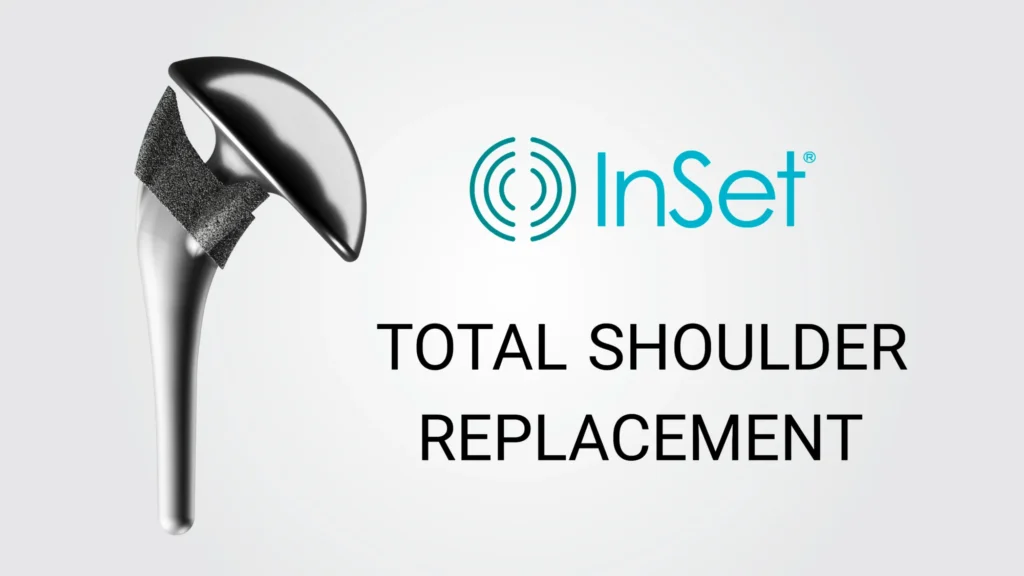
Total Shoulder Arthroplasty
In a traditional total shoulder replacement, the damaged ball of the upper arm bone is replaced with a metal component, and the socket in the shoulder blade is replaced with a smooth plastic surface. This procedure tends to work best for patients with severe arthritis who still have a healthy, functioning rotator cuff. The rotator cuff muscles play a key role in stabilizing and powering the new joint after surgery.
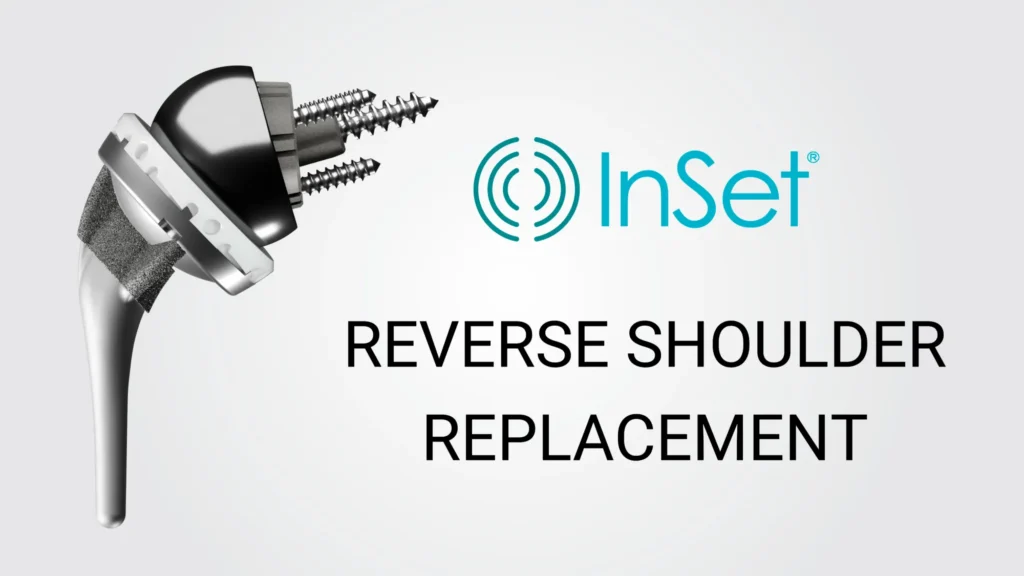
Reverse Total Shoulder Arthroplasty
The reverse shoulder replacement was designed for patients who have both severe arthritis and a damaged or non-functional rotator cuff. In a reverse replacement, the ball and socket positions are essentially switched. The metal ball goes on the shoulder blade side, and the plastic socket goes on the upper arm. This design allows the deltoid muscle to play a larger role in shoulder movement, helping compensate for a deficient rotator cuff.
When Is Surgery the Right Choice?
This is the central question when weighing shoulder replacement vs non-surgical treatments, and it deserves a thoughtful answer. Surgery may be the right choice when a patient meets certain criteria.
In general, I may consider shoulder replacement when:
- A patient has a confirmed diagnosis of severe shoulder arthritis or significant joint damage supported by imaging.
- Conservative care has not produced meaningful or lasting relief. Pain is affecting quality of life, whether through disrupted sleep, difficulty with daily tasks, or an inability to do the things that matter most to that person.
- The patient is in overall good health and is a reasonable candidate for surgery and anesthesia.
Age alone is rarely the deciding factor. The right candidate for surgery is determined more by the severity of the condition and the failure of conservative options than by age. Everybody’s situation is different, and that’s why a thorough, individualized evaluation matters so much.
Other Factors That Go Into the Decision
The conversation around shoulder replacement vs non-surgical treatments isn’t purely medical. There are personal factors worth working through when you and your surgeon weigh the options together.
Your goals and lifestyle. What do you want your shoulder to be able to do? If returning to golf, gardening, swimming, or keeping up with your grandchildren is important to you, those goals are part of the equation. For some patients, surgery may represent the best realistic path back to those activities.
Your overall health. Certain medical conditions may increase the risks that come with any surgical procedure. A thorough pre-operative evaluation, including clearance from your primary care physician, helps ensure you’re a safe candidate before moving forward.
Your recovery support. Shoulder replacement recovery takes time. Having help at home during the early weeks matters, especially for tasks like cooking, dressing, and driving. Your ability to commit to post-operative physical therapy is also a key part of the equation.
Your expectations. Shoulder replacement can produce significant results for the right patient. But it’s important to go in with realistic expectations. Understanding what surgery can and can’t do helps you make a truly informed choice.
Summary
Navigating the choice between shoulder replacement vs non-surgical treatments isn’t a simple or straightforward decision. For most patients, conservative care is the right place to start, and for many, it works well. Physical therapy, anti-inflammatory medications, injections, and activity modification may all provide meaningful relief for certain conditions.
However, when conservative treatment has been tried thoroughly and the pain and dysfunction continue, surgery may provide an option to address underlying structural changes that non-surgical treatments cannot correct.
If you’re somewhere in the middle of this decision, wondering whether you’ve tried enough or whether surgery might be the right move, I’d encourage you to schedule a consultation. Together, we can review your imaging, discuss your history, and map out a treatment path that makes sense for your specific situation.
Frequently Asked Questions
Can shoulder replacement surgery relieve arthritis pain completely?
For many patients, shoulder replacement produces a dramatic reduction in pain. However, it’s important to approach surgery with realistic expectations. Not every patient achieves complete pain elimination, and some degree of achiness with heavy or demanding activities is possible. The goal is typically a meaningful improvement in both pain and function.
What if I delay shoulder replacement surgery?
Delaying surgery isn’t necessarily harmful in every situation. Non-surgical treatments can continue to manage symptoms for some period of time, and there’s no absolute deadline. However, in patients with severe arthritis or significant joint damage, prolonged delay may allow the joint to deteriorate further, which can sometimes complicate the surgery when it eventually becomes necessary.
Are there other surgical options besides shoulder replacement?
Possibly, depending on your specific diagnosis. For certain patients, minimally invasive arthroscopic procedures may be an appropriate option. The right answer truly depends on your diagnosis and your personal goals. A thorough evaluation can help determine which surgical options, if any, are most appropriate for where you are right now.
