


Shoulder pain can impact your daily life, making even simple tasks challenging. When non-surgical treatment options no longer suffice, and severe shoulder conditions persist, surgical intervention may become necessary. Among the solutions available, reverse shoulder replacement surgery stands out as a transformative procedure for specific candidates. In this post, we’ll offer insights into when reverse shoulder replacement is recommended, the surgical process, and the recovery journey.
Key Takeaways
- Reverse shoulder replacement surgery is a specialized procedure most frequently recommended for patients with irreparable rotator cuff tears and severe arthritis.
- Unlike traditional shoulder replacement, the ball and socket components are reversed, allowing the deltoid muscle to power arm movement when the rotator cuff is compromised.
- A structured rehabilitation program is important for optimal recovery, focusing on pain management, gradual restoration of motion, and strengthening.
Understanding Reverse Shoulder Replacement Surgery
Reverse shoulder replacement, also known as reverse total shoulder arthroplasty, is a surgical procedure that aims to alleviate chronic shoulder pain and restore function in individuals with specific, complex shoulder conditions.
What is Reverse Shoulder Replacement?
In a healthy shoulder, the humeral head (the ball) sits within the glenoid (the socket) of the shoulder blade. The rotator cuff muscles surround this joint, providing stability and enabling a wide range of motion. In traditional total shoulder replacement, the damaged humeral head is replaced with a metal ball, and the glenoid is resurfaced with a plastic socket, mimicking the natural anatomy.
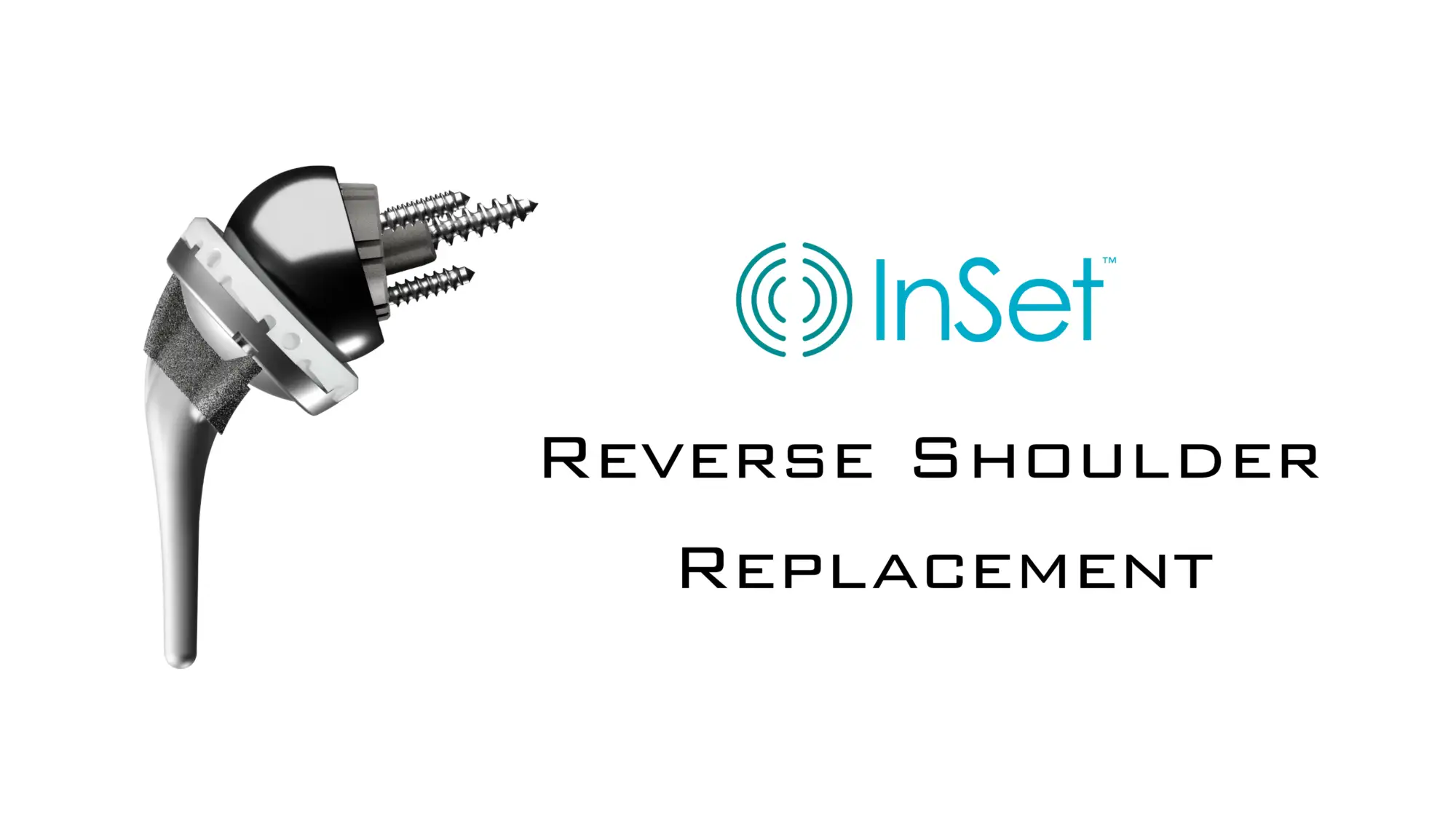
Reverse shoulder replacement, however, reverses this natural anatomy. A metal ball is fixed to the shoulder blade (glenoid), and a plastic socket is attached to the top of the upper arm bone (humerus). This innovative design changes the center of rotation of the shoulder joint, allowing the powerful deltoid muscle, which covers the outside of the shoulder, to become the primary mover of the arm. This can be particularly advantageous when the rotator cuff muscles are severely damaged or non-functional.
Why is it Different from Traditional Shoulder Replacement?
The key distinction lies in how the shoulder is powered. Traditional shoulder replacement relies on a healthy, intact rotator cuff to stabilize and move the arm. If the rotator cuff is extensively torn and irreparable, a traditional replacement would likely fail due to instability and lack of power. Reverse shoulder replacement bypasses the need for a functional rotator cuff by leveraging the deltoid muscle. This makes it a potential option for patients who would not be candidates for conventional shoulder replacement.
When is Reverse Shoulder Replacement Recommended?
Reverse shoulder replacement is typically reserved for patients with specific, often complex, shoulder pathologies that have not responded to other treatments. An experienced shoulder specialist can evaluate the condition and help guide whether reverse shoulder replacement is a recommended treatment for you.
Cuff Tear Arthropathy
This is one of the most common reasons for recommending reverse shoulder replacement. Cuff tear arthropathy is a severe form of shoulder arthritis that may develop after a long-standing, massive, and irreparable rotator cuff tear. Patients typically experience significant pain, weakness, and limited range of motion.
Irreparable Rotator Cuff Tears
For patients with massive rotator cuff tears that cannot be surgically repaired, either due to the size of the tear, poor tissue quality, or chronic retraction of the tendons, reverse shoulder replacement offers a possible solution. By reversing the ball and socket, the deltoid muscle can effectively elevate and abduct the arm, compensating for the non-functional rotator cuff.
Severe Proximal Humerus Fractures
In patients with complex fractures of the proximal humerus (the upper part of the arm bone) that are not amenable to fixation, reverse shoulder replacement may be recommended. This is especially true if the fracture compromises the blood supply to the humeral head.
The Surgical Procedure
Reverse shoulder replacement surgery is a complex procedure performed by an orthopedic surgeon specializing in shoulder reconstruction. The surgery typically takes a few hours and is performed under general anesthesia, often combined with a regional nerve block to help manage post-operative pain.
Pre-operative Planning
Before surgery, detailed imaging studies, such as X-rays, CT scans, and MRI, may be performed to assess the bone quality, rotator cuff status, and overall anatomy of the shoulder. This allows the surgeon to meticulously plan the procedure, select the appropriate implant sizes, and anticipate any potential challenges.
Incision and Exposure
The surgeon makes an incision, usually on the front or top of the shoulder, to access the shoulder joint. The deltoid muscle is carefully retracted, and the underlying structures are exposed. The damaged humeral head and glenoid are identified.
Bone Preparation and Implant Placement
On the glenoid side, the surgeon prepares the shoulder blade to receive the metal baseplate, which is typically secured with screws. A metal ball is then attached to this baseplate. On the humeral side, the upper arm bone is prepared, and a stem is inserted into the humerus. A plastic socket is then attached to the humeral stem, creating the reversed ball-and-socket configuration.
Closure
Once the implants are securely in place and the joint stability and range of motion are confirmed, the surgical site is irrigated, and the layers of tissue are carefully closed. The skin incision is then closed with sutures or staples, and a sterile dressing is applied. The arm is typically placed in a sling to protect the healing tissues.
Recovery Process and Rehabilitation
Recovery after reverse shoulder replacement surgery is a gradual process that requires patience, commitment, and adherence to a structured rehabilitation program. The goal of rehabilitation is to manage pain, protect the healing tissues, restore range of motion, and regain strength and function.
Immediate Post-operative Period
- Pain Management: Pain medication may be recommended to manage post-operative discomfort. A nerve block, if used, can provide initial pain relief.
- Sling Immobilization: The arm may be kept in a sling for several weeks to protect the healing tissues and prevent unwanted movements.
- Early Motion: Under the guidance of a physical therapist, gentle passive range of motion exercises may begin soon after surgery. These exercises involve the therapist moving the arm without the patient’s muscle activation. The goal is to prevent stiffness while protecting the surgical repair.
- Activity Restrictions: Patients may have restrictions on lifting, pushing, pulling, and internal rotation of the arm.
Intermediate Phase
- Gradual Increase in Motion: As healing progresses, the physical therapist may gradually introduce active-assisted range of motion exercises, where the patient uses their other arm or a pulley system to assist movement. The focus will shift towards regaining more independent movement.
- Light Strengthening: Exercises (muscle contractions without joint movement) for the deltoid and other surrounding muscles may be initiated, as tolerated. The emphasis remains on protecting the joint and avoiding excessive stress.
- Functional Activities: Patients may gradually resume light activities of daily living, being mindful of precautions and avoiding heavy lifting or sudden movements.
Advanced Phase
- Progressive Strengthening: The rehabilitation program can advance to include progressive strengthening exercises for the deltoid and other shoulder muscles. This phase focuses on building endurance and power.
- Return to Activity: Depending on the individual’s progress and the demands of their lifestyle, the therapist will guide the patient through activities specific to their work, hobbies, or sports. This may include sport-specific training or occupational therapy.
- Long-Term Care: Continued adherence to a home exercise program is often helpful for maintaining strength, flexibility, and long-term success.
Potential Outcomes and Benefits
Reverse shoulder replacement surgery has a high success rate in alleviating pain and improving function for appropriately selected patients. The primary potential benefits include:
- Significant Pain Relief: Most patients experience a substantial reduction of chronic shoulder pain, which was often debilitating prior to surgery.
- Improved Range of Motion: While not always restoring full overhead motion, reverse shoulder replacement typically provides a functional range of motion, allowing patients to perform activities like reaching overhead, dressing, and personal hygiene with greater ease.
- Enhanced Quality of Life: By reducing pain and improving function, patients often report a significant improvement in their overall quality of life, enabling them to return to many activities they previously enjoyed.
Summary
Reverse shoulder replacement surgery represents a significant advancement in orthopedic care, offering hope for patients with complex and debilitating shoulder conditions. By understanding the intricate details of this procedure, from its unique biomechanics to the rehabilitation process, patients can approach their treatment journey with confidence and realistic expectations. Always engage in open and thorough discussions with your orthopedic surgeon to determine if this advanced surgical solution is the right path for your individual needs and to support the best possible outcome for your shoulder health.
Frequently Asked Questions
How long does it take to recover from reverse shoulder replacement surgery?
Recovery is a gradual process, and timelines vary between patients. Regaining full mobility and strength can take anywhere from six months to a year, or longer. Adhering to your physical therapy program is important for optimal recovery.
What are the main differences between traditional and reverse shoulder replacement?
Traditional shoulder replacement mimics the natural anatomy, with a ball on the arm bone and a socket on the shoulder blade, relying on an intact rotator cuff. Reverse shoulder replacement reverses this, placing the ball on the shoulder blade and the socket on the arm bone, enabling the deltoid muscle to power movement when the rotator cuff is damaged or non-functional.
Who is a good candidate for reverse shoulder replacement?
Reverse shoulder replacement is typically recommended for patients with specific conditions, including irreparable rotator cuff tears with associated arthritis (cuff tear arthropathy), massive and irreparable rotator cuff tears, or severe proximal humerus fractures in older patients.
What kind of physical therapy is involved?
Physical therapy is a key component of recovery. It typically begins with gentle passive range of motion exercises to prevent stiffness, followed by active-assisted and then active exercises to restore movement. As healing progresses, strengthening exercises for the deltoid and other shoulder muscles may be introduced. The program will be tailored to your individual needs and progresses gradually to support safe and effective recovery.
