

For many people, golf isn’t just a sport; it’s a way of life. It’s early mornings on a quiet course, the camaraderie of fellow players, and the satisfaction of a well-struck drive sailing down the fairway. If you’ve been sidelined by persistent shoulder pain, you may wonder, “Can I still play golf after shoulder replacement surgery?” Many patients return to the game they love. That said, the path back to the course depends on several important factors, which we’ll explore in this post.
Key Takeaways
- Many patients can likely return to golf after shoulder replacement surgery, though individual results may vary.
- A full return to golf typically takes four to six months or longer after surgery, depending on individual recovery.
- The type of implant used, your age, your overall health, and your activity level before surgery can all influence your outcomes.
- Always consult your surgeon before returning to any sport following shoulder replacement.
Why Golf Is More Demanding Than It Looks
Golf may appear to be a relaxed, low-impact sport, but it places surprisingly complex demands on the shoulder. The golf swing requires a wide range of motion, including external rotation, elevation, and a full follow-through. Both the trail shoulder and the lead shoulder work hard throughout every swing. The trail shoulder absorbs most of the rotational load, while the lead shoulder goes through considerable elevation and cross-body movement during the follow-through phase.
Beyond the swing itself, a round of golf involves repetitive motion over 18 holes, uneven terrain, and the occasional awkward recovery shot from the rough. These demands accumulate. After shoulder replacement surgery, your new joint may need time to heal, stabilize, and adapt before it can comfortably handle that level of activity.
Understanding Your Shoulder Replacement Options
Not all shoulder replacements are the same, and the type of procedure you receive may influence your recovery and your eventual return to activities like golf. Here’s a brief overview of the two main approaches.
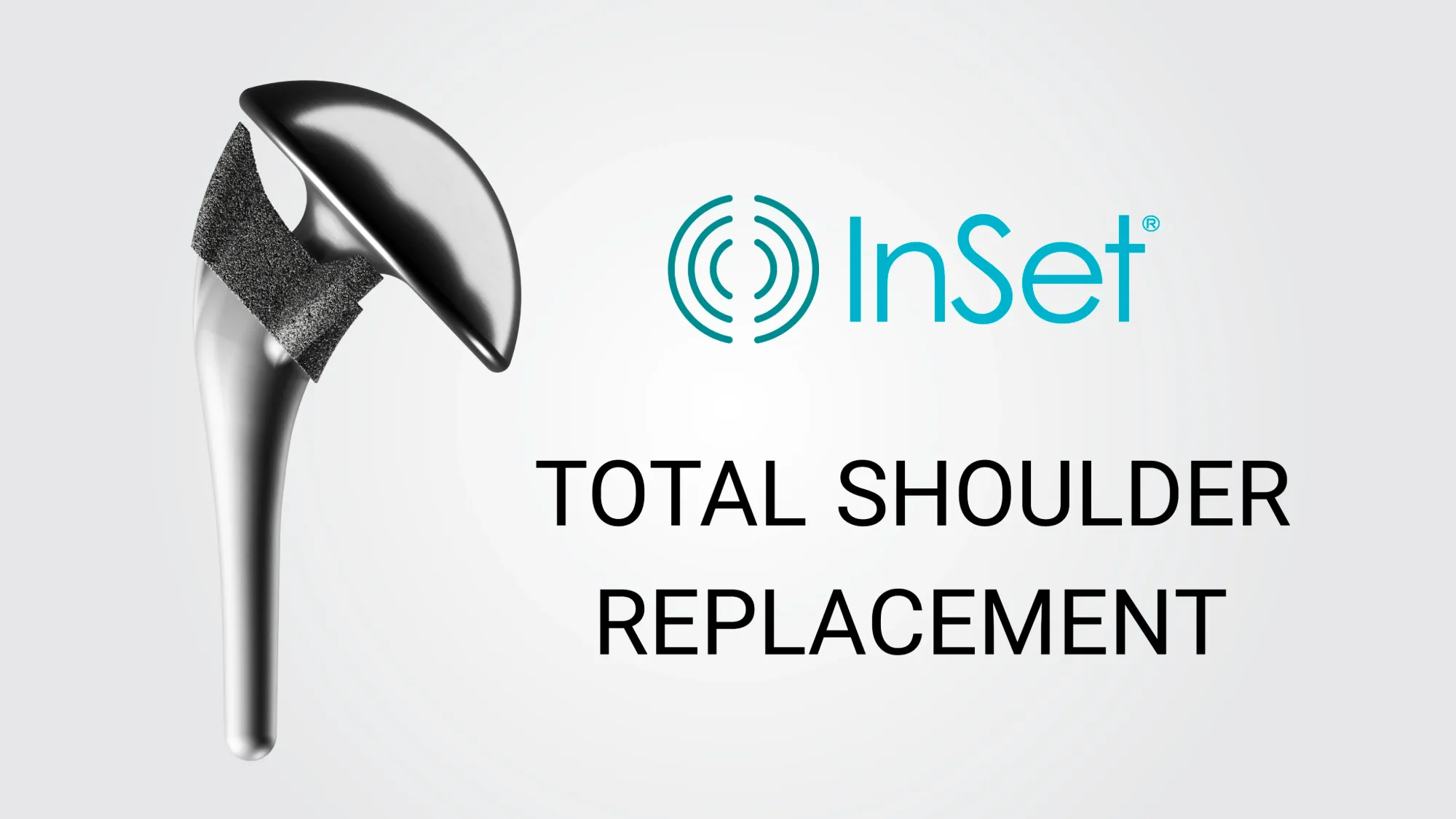
Total Shoulder Replacement (Anatomic Shoulder Arthroplasty)
A total shoulder replacement involves replacing both the ball of the upper arm bone (humeral head) and the socket (glenoid) with implant components. This procedure is most commonly recommended for patients who have shoulder arthritis, a condition where the smooth cartilage cushioning the joint has worn away, but still have a functioning rotator cuff. The goal is to restore the natural shape of the shoulder, reduce pain, and help you regain as much range of motion as possible.
Reverse Shoulder Replacement
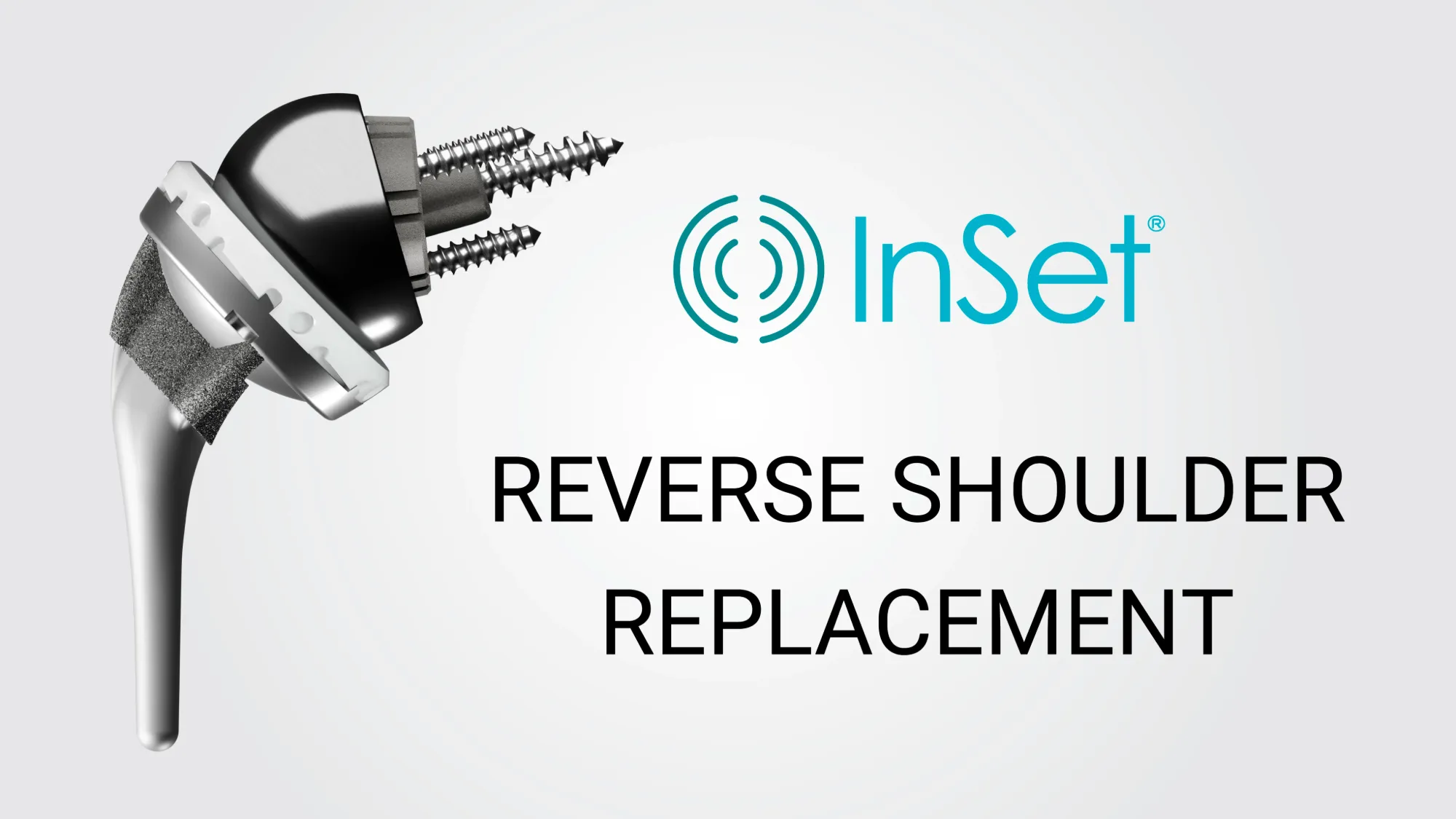
A reverse shoulder replacement works quite differently. As the name suggests, it reverses the ball-and-socket configuration, placing the ball on the socket side (glenoid) and the socket on the arm side (humerus). This design allows the large deltoid muscle to take over the work of moving the shoulder, which is especially helpful when the rotator cuff is damaged or no longer functioning properly. Reverse shoulder replacement is often recommended for patients with large rotator cuff tears, cuff tear arthropathy (a combination of rotator cuff damage and arthritis), or complex shoulder fractures.
Both procedures can potentially allow patients to return to recreational activities like golf. Your specific diagnosis, anatomy, and surgical outcome will guide what’s realistic for your individual recovery.
Can You Return to Golf After Shoulder Replacement Surgery?
The honest answer is: it depends, but the outlook is often positive. Many patients who undergo shoulder replacement surgery, both total and reverse, return to recreational sports like golf. Golf is generally considered a sport that places moderate demands on the shoulder joint, and many shoulder surgeons consider it an appropriate activity following a successful recovery.
That said, golf after shoulder replacement surgery doesn’t happen overnight. It requires time, a genuine commitment to rehabilitation, and a close working relationship with an experienced shoulder surgeon. Some patients may find that their swing changes slightly to accommodate the new joint mechanics, particularly after a reverse shoulder replacement, where the deltoid muscle takes on a larger role. Working with a golf instructor who has experience with post-surgical athletes can be an advantage as you make that transition.
It’s also important to understand that outcomes vary from person to person. Your age, the condition of your shoulder before surgery, your dedication to physical therapy, and the way your body heals all play a role in how quickly and fully you recover.
When Can You Get Back on the Course?
Recovery from shoulder replacement surgery unfolds in stages, and returning to golf is typically one of the later milestones. While every patient’s timeline is different, here’s a general sense of what to expect:
- Weeks 1 to 6: For some portion of this, your shoulder will be in a sling. Activity is limited to gentle, guided movements. Golf is not appropriate during this phase.
- Weeks 6 to 12: The focus is on regaining range of motion and building early strength. Golf is still not usually recommended at this stage.
- Months 3 to 6: Many patients start feeling noticeably better and may regain meaningful shoulder function. Short putting and gentle chipping may be possible, depending on your progress. A gradual return to partial swings, starting with shorter irons, may be appropriate for some patients, always with your surgeon’s clearance first.
- 6 months and beyond: With solid progress in rehabilitation and surgical clearance, a return to play on the course may be possible for many patients.
These are general benchmarks, not guarantees. Your surgeon’s guidance takes priority over any general timeline.
Tips for Getting Back on the Fairway
When the time comes to return to golf, a thoughtful, gradual approach may help protect your shoulder. Here are a few suggestions worth keeping in mind:
- Start with putting and chipping. These movements put far less demand on the shoulder than a full swing. Begin there and progress gradually.
- Work with a golf professional. An instructor familiar with post-surgical patients can help you adapt your swing mechanics in a way that’s kinder to your shoulder.
- Make sure your rehabilitation is well underway first. A strong, conditioned shoulder is your best protection during the swing.
- Use lighter equipment. Graphite shafts and lighter club heads can reduce the impact shock transmitted to your shoulder on contact.
- Warm up thoroughly every time. A proper pre-round routine prepares your joint and surrounding muscles for the demands of play. Never skip it.
- Listen to your body. Pain is a signal. If you experience discomfort during or after a round, stop and check in with your care team before continuing.
Factors That Can Affect Your Return to Golf
Every patient’s journey is unique. A number of factors may influence how quickly and fully you return to golf after shoulder replacement surgery.
Age matters. Younger patients may recover faster, but they may also place higher long-term demands on the implant. Patients who were physically active before surgery, including regular golfers, may start from a stronger fitness baseline, which can work in their favor during recovery.
The type of replacement you receive plays a role as well. Patients who undergo total shoulder replacement with an intact rotator cuff may find it easier to return to familiar swing mechanics. Reverse shoulder replacement patients sometimes need to make minor technique adjustments, since the deltoid takes on a larger role in shoulder movement after surgery.
An important factor is your commitment to rehabilitation. Patients who complete their full rehabilitation program, attend their appointments consistently, and do their home exercises are supporting optimal outcomes.
Summary
Golf after shoulder replacement surgery is a realistic goal for many patients, but it requires patience, a commitment to rehabilitation, and a personalized plan guided by your surgeon. Whether you’ve had a total shoulder replacement or a reverse shoulder replacement, getting back on the course typically takes several months and involves a careful, step-by-step progression. If you have questions about your shoulder health or your treatment options, schedule a consultation.
Frequently Asked Questions
Can I play golf after a reverse shoulder replacement?
Many patients return to golf after reverse shoulder replacement surgery. Because the deltoid muscle takes on a larger role in movement after this procedure, you may find it helpful to make some adjustments to your swing technique. A golf professional with experience working with post-surgical patients may be a valuable resource during this transition. Your surgeon will advise you on when it’s safe to begin that process.
How long does it take to return to golf after shoulder replacement?
Most patients who return to golf do so somewhere between four and six months after surgery, though this timeline can vary considerably based on individual recovery progress. Some patients may require more time. Your surgeon will provide personalized guidance based on how your rehabilitation is progressing and how your shoulder is healing.
What should I do if my shoulder hurts when I try to swing?
Pain during or after golf is a signal worth taking seriously. Stop playing and contact your surgeon’s office. Pain could indicate that your shoulder isn’t quite ready for the demands of a full swing, or it may warrant evaluation to check on your implant and overall healing. Don’t push through pain without getting checked out first.
